University of Engineering and Technology 2026 offers outstanding engineering, technology, architecture, science, and postgraduate programs, creating powerful opportunities for students through quality education, research, innovation, and career development.
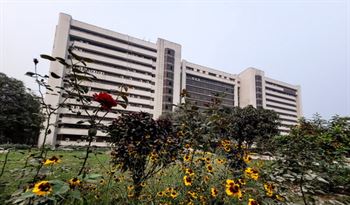
Admission is open at the Bangladesh University of Engineering and Technology. Bangladesh University of Engineering and Technology has opened up admission.
About Bangladesh University of Engineering and Technology
Bangladesh University of Engineering and Technology (BUET) is the oldest and most selective institution for engineering, architecture and planning in Bangladesh, and is the top engineering university in the country.
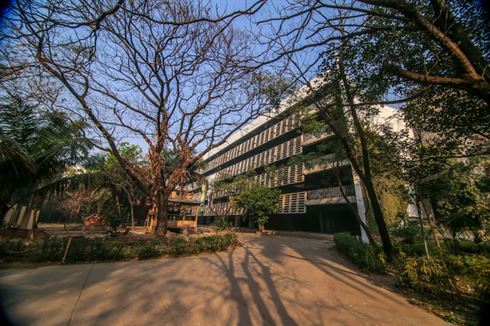
It has its origin in University of Engineering, Dhaka Survey School, established in 1876 that then became Ahsanullah School of Engineering and eventually was upgraded to its current form as Ahsanullah Engineering College in 1962 and became a fully-fledged university in 1971. BUET is located in a small historic campus with 18 academic departments under 6 faculties covering approximately 91 acres in the heart of Dhaka city and has 8 specialized research institutes.
The undergraduate program is highly selective and every year attracts the best science and engineering students from the nation. University of Engineering, Nearly 550 faculty members teach and mentor approximately 9,000 undergraduate and postgraduate students in civil, mechanical, electrical, chemical, materials and biomedical engineering, architecture, urban planning and computer science, among others.
In addition to the classroom, University of Engineering is the nation’s most trusted source of independent engineering skills. Its faculty has written and continuously updated the Bangladesh National Building Code and government ministries regularly seek technical advice from its faculty, especially in the investigation of large infrastructure and safety-related incidents, and when reviewing large public projects.
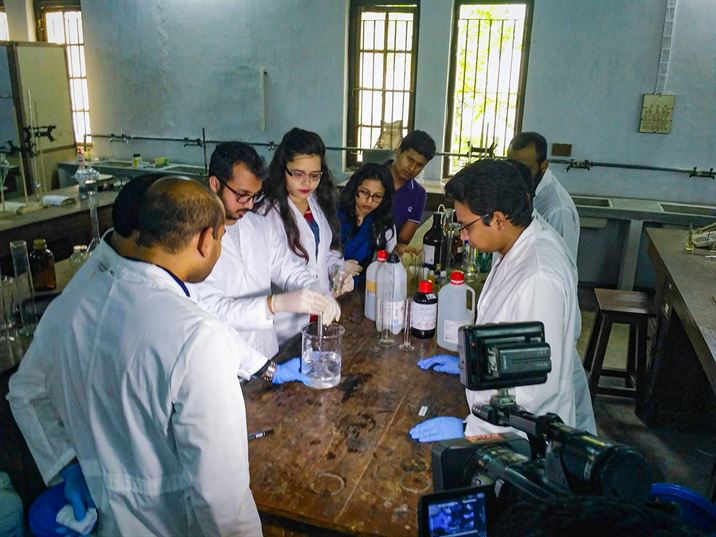
This ongoing mission is one of the university’s most unique assets and resides in the intersection of engineering, national policy and public safety.
Research and innovation cover a wide spectrum of fields, such as the Institute of Water and Flood Management, University of Engineering, the Accident Research Institute, the Institute of Nuclear Power Engineering, the Institute of Robotics and Automation and the Institute of Energy and Sustainable Development, all of which have dedicated departments and institutes.
The university has established a dedicated research centre called RISE-BUET, which serves as a research and innovation hub and caters to the research and innovation activities of faculty and student research projects in these areas. The growth of research output at BUET extends beyond the numbers of the 2025 alone, as in 2025, University of Engineering researchers have published more than 700 papers in the Web of Science indexed.
BUET researchers have collaborated with researchers from various countries including the USA, Australia, India, Saudi Arabia, Canada, and Japan in significant numbers. The University of Engineering is an active member of the Association of Commonwealth Universities and its ICT Academy, built in collaboration with Huawei, is in line with the rising engagement of the industry.
BUET’s overall QS World University Ranking improved from the 801-850 band in the 2024 edition of the rankings to the 711-720 band in the 2027 edition. University of Engineering also topped the country in all engineering fields on which it has been evaluated in the 2026 edition of the rankings.
The entire life of the students at University of Engineering takes place within one walking distance and classrooms, workshops, residence, playing fields are all just a few minutes away. Hands-on activities in carpentry, foundry, welding, sheet-metal, CNC machines, instrumentation, material science, electronics and automobile engineering complement classroom instruction with real project work and support with modern research laboratories and a central library with well over 100,000 volumes and journals.
There are nine residence halls, two of which are designated for women, which help to bring students’ daily life close to the classroom and are the “center of gravity” in the campus. Their differences are played out when they play Inter-Hall games, Inter-Faculty football, cricket, and chess games, and when they compete in basketball, tennis, and squash games as well as a well-equipped gymnasium.
The small campus is packed with technical festivals, engineering, robotics and coding competitions and cultural events, all year around. Students actively participate in the various leading professional bodies such as IEEE, ASCE, IMechE and ASHRAE and have formed their own clubs and societies at University of Engineering, providing an early exposure to the practice of engineering around the world.
BUET’s international presence extends as far. Over 50,000 alumni have gone on to work across the globe in such companies and organizations as leading technology firms, aerospace firms, semiconductor manufacturers, consulting firms, and international development organizations, as well as at top universities around the world in North America, Europe, and Asia.
BUET alumni have contributed to almost all the major engineering projects of the country such as bridges, power plants and telecommunications and urban development projects, and the classrooms are still churning out the next generation of engineering practitioners and educators for the nation and beyond.
Cost of Living
The cost of studying from universities in Dhaka is one of the cheaper options, and the subsidized campus system maintained by University of Engineering keeps its own students’ cost relatively low. Within the following ranges, a BUET student can afford a comfortable standard of living with a small salary, keeping in mind the international comparisons that follow in the US dollar.
The majority of University of Engineering students stay in the nine on-campus halls of residence whose seat rents are subsidised; they can be rented at a few thousand taka an annum which is much less than the market rate. The average accommodation fees are in the between $400 and $500 per year.
On campus dining is by far the cheapest since dining halls and canteens offer full meals for as little as BDT 40-80 (well below dollar rates). The costs of food for the students who supplement this with restaurant meals, snacks or grocery shopping are about $1,500–$1,700 per year, which remains relatively low compared to the international average.
The small, walkable campus of University of Engineering makes it cost-effective for students to walk from the halls to the classrooms and laboratories. In addition, BUET has its own shuttle buses for trips further into the city that run on several different routes in and around Dhaka on three days a week (three times a day) at a very low and subsidized fare, providing students an alternative option at reduced rates to the local transport services. Students spend an average of $20-$25 per month, which is equivalent to $250 per year on transportation.
Personal expenses, such as mobile data, phone bills, laundry, stationery and other personal items generally run about $50 – $60 per month, or $600 – $700 per year. Categories, like electricity and water, which are needed for everyday activities are already included in hall fees and are not that significant.
All in all, a University of Engineering student may need to save about $3,000 – $3,500 per year for living expenses (accommodation, food, transportation, and other personal expenses) – which is much less than the costs in Europe, North America, or East Asia – and affordable even by the region’s standards, with the subsidized housing and dining included.
Depending upon lifestyle, the actual cost will vary, if a student is able to book a hall seat or not, and the time spent outside BUET, but BUET is one of the more affordable engineering universities in the world for the quality of engineering education provided.
Scholarships
Scholarships only for Undergraduate Students offered by BUET:
All the students who get enrolled at the undergraduate level are eligible to get a Technical Scholarship from BUET for their course duration. Besides, students who obtain a merit position in each Term Final exam also get scholarships for that Term Result. Besides, students who get honours with a CGPA of 3.75 in a year are awarded the Dean’s List Scholarship by BUET.
Several Trusts also provide funding and/or scholarships. Such scholarships are awarded to the undergraduate students from time to time by the authority of BUET. More information on these scholarships can be found in the office of the Directorate of Students Welfare.
Scholarships only for Postgraduate Students offered by BUET:
Selected Masters and Ph.D. students will receive a fellowship from BUET from 2021. Basis of the fellowships, these Masters will be given 30,000 BDT per month and Ph.D. students will be given 45,000 BDT per month.
Postgraduate student will be offered some Teachers Assistants (TA) positions. The selection of the TAs will be done through the respective Department/Institute, but will be confirmed by a committee. An honorarium of 50% of the consolidated salary of the Govt pay scale at Grade-9 will be paid to each TA. The appointment of TAs will be on a semester basis and the number of hours will depend on the academic calendar of a semester.
There will be some opportunities for Research Assistant (RA) positions for postgraduate students. These positions will be supported through research grants the faculty members receive from BUET.
Scholarships only for Foreign Postgraduate Students offered by BUET:
The fellowship given by BUET will be to foreign postgraduate students from 2021 onwards. The fellowship will be 30,000 BDT/month for all these foreign students. Further, foreign students will be provided with accommodation facilities. Foreign post-graduate students will not have to pay tuition fees.
Self-Portrayal
Bangladesh University of Engineering and Technology (BUET) is one of the leading Institution in the field of engineering education in Bangladesh. The founding of Dhaka Survey School in 1876 marked the beginning of the history of BUET. In 1947, it was converted to an engineering college and received the status of an independent university in 1962. It is situated on a small land of 83.9 acre within the heart of the capital city Dhaka in Bangladesh.
BUET’s five faculties (architecture and planning, civil engineering, engineering, electrical and electronic engineering and mechanical engineering) and 18 departments provide high quality research and education. There are also six university-affiliated institutes that concentrate on a variety of fields of research. BUET has 600+ faculty members, and 10K+ undergraduate and graduate students. The alumni of BUET have a long history of achieving unprecedented success throughout the world, many of whom are the leaders in their respective areas of the world.
BUET has become the first choice for future engineers and architects in Bangladesh for its excellent academic environment, state-of-the-art research facilities and a vibrant campus life. Students are enrolled at BUET through a highly-competitive entrance examination. BUET is the technological research and innovation hub in Bangladesh. Since its inception, it has played a significant role in nation building through its inputs in key infrastructure projects through expert services.
Faculty members work closely with industry and the Government to address crucial problems and formulate national policies and strategies in various sectors. BUET is a member of the Association of Commonwealth Universities (ACU) and established strong collaborations with hundreds of well known universities and industries both nationally and internationally.
University of Engineering and Technology: An Introduction
The University of Engineering and Technology (UET), Lahore is one of Pakistan’s historic institutions for engineering and technology education. With a legacy that began in 1921, the university has developed from a technical college into a comprehensive institution offering undergraduate, postgraduate, research, and technology-focused education. Today, the University of Engineering and Technology continues to provide students with opportunities to build strong academic foundations and develop professional skills for competitive careers.
The history of the University of Engineering and Technology is closely connected with the development of engineering education in Pakistan. The institution began operations as Mughalpura Technical College in 1921 and later became known as Maclagan Engineering College. It received university status in 1961, marking an important stage in its academic expansion. Over the decades, new disciplines were introduced to respond to the changing engineering, industrial, scientific, and technological needs of the country.
For students seeking a respected environment for technical education, the University of Engineering and Technology provides a broad academic ecosystem. Its programs cover traditional engineering disciplines as well as architecture, planning, computer-related fields, natural sciences, business, and emerging areas of technology. The university’s current admissions information lists more than 75 undergraduate programs and 115 postgraduate programs, demonstrating the breadth of its academic offerings.
University of Engineering and Technology 2026 Academic Opportunities
The University of Engineering and Technology offers students multiple pathways depending on their academic interests and career ambitions. Undergraduate students can explore engineering, computing, architecture, technology, science, and related disciplines, while postgraduate students can pursue advanced study through master’s, M.Phil., and PhD-level opportunities.
The university’s academic structure includes major areas such as Civil Engineering, Mechanical Engineering, Electrical Engineering, Architecture and Planning, Chemical and related engineering disciplines, and Natural Sciences and Humanities. This structure allows students to pursue specialized education while benefiting from an institution with a long-standing engineering tradition.
Major Engineering Programs at UET
The University of Engineering and Technology has developed a diverse selection of engineering disciplines. Students interested in infrastructure and construction can consider Civil Engineering and related areas. Mechanical Engineering provides opportunities connected with machines, manufacturing, industrial systems, and mechanical technologies. Electrical Engineering supports careers involving electrical systems, electronics, communications, automation, and related technological applications.
Other academic areas include Chemical Engineering, Metallurgical and Materials Engineering, Mining Engineering, Geological Engineering, Petroleum and Gas Engineering, Polymer and Process Engineering, and other specialized disciplines. The university’s faculty structure reflects the wide range of engineering fields available through its academic departments.
The University of Engineering and Technology also supports education in computing and technology-related areas. As digital transformation continues to influence almost every industry, students increasingly seek programs connected with computer science, artificial intelligence, data, software, automation, and intelligent systems. UET’s academic ecosystem provides opportunities for students who want to combine engineering fundamentals with modern technological skills.
Architecture, Planning, Science, and Management
Engineering is a central part of the University of Engineering and Technology, but the institution’s academic scope extends beyond conventional engineering. Its Faculty of Architecture and Planning includes areas such as Architecture, Product and Industrial Design, and City and Regional Planning. These disciplines are particularly relevant for students interested in sustainable cities, built environments, design, infrastructure, and urban development.
The university also has academic departments covering Physics, Chemistry, Mathematics, Humanities and Social Sciences, and Islamic Studies. Such subjects provide important supporting knowledge for engineering and technology students while also enabling broader academic development. The Institute of Business & Management adds another dimension to the university’s educational environment.
University of Engineering and Technology Admissions 2026
Admission to the University of Engineering and Technology is an important consideration for prospective students. The university’s official admissions information states that undergraduate applications are submitted online, and applicants must meet the eligibility requirements associated with their chosen programs. For Fall 2026, UET’s admissions FAQ specifies minimum academic requirements of 60% in Intermediate or equivalent for engineering, architecture, and relevant computing categories, while science, technology, and business programs listed as non-ECAT-based require at least 50%.
For 2026 admissions, ECAT is compulsory for engineering, computing, architecture, and related disciplines, according to the official UET admissions information. However, business and science programs categorized as non-ECAT-based do not require ECAT. Applicants should always verify the current requirements for their selected program before submitting an application.
The University of Engineering and Technology also states that applications are submitted online rather than through post, courier, or in-person submission. The official 2026 admissions information lists an application fee of Rs. 3,000, with a single application allowing candidates to apply for multiple programs. Applicants should carefully review the latest official admission schedule because deadlines and procedures can change.
Eligibility and Merit at UET
Admission to the University of Engineering and Technology is competitive, particularly in high-demand engineering and computing programs. Meeting the minimum eligibility requirement does not necessarily guarantee admission because final selection depends on the applicable merit criteria, available seats, program preferences, and admission category.
For open-merit undergraduate seats, UET’s 2026 admissions information specifies eligibility for Punjab-domiciled applicants, including applicants from ICT, unless a particular program or category states otherwise. Candidates with qualifications from outside Pakistani boards may also need an IBCC equivalence certificate where applicable.
Students should therefore prepare their academic documents, entrance-test information, identification documents, domicile or equivalence documentation, and other required materials before beginning the application process. Careful preparation can help applicants avoid unnecessary delays during the admission process.
University of Engineering and Technology Research and Innovation
Research is a major component of the University of Engineering and Technology’s academic mission. Engineering universities play an important role in addressing real-world challenges involving energy, transportation, manufacturing, infrastructure, environment, materials, computing, and industrial development.
UET’s postgraduate environment provides opportunities for students to move beyond classroom learning into advanced research. The university has promoted master’s, M.Phil., and PhD-level education across multiple engineering and technological disciplines. Its 2026 postgraduate admissions material highlights research capacity, doctoral faculty, publications, patents, financial assistance, and advanced academic opportunities.
This research-focused environment can be particularly valuable for students who intend to pursue careers in academia, research laboratories, engineering organizations, technology companies, government institutions, or industrial research and development.
Campus and Academic Environment
The University of Engineering and Technology operates across a broader academic network that includes its Lahore campus and other constituent or affiliated locations. Its academic authorities identify departments and programs associated with campuses including Lahore, Kala Shah Kaku, and Faisalabad, among other institutional arrangements.
The campus environment combines classrooms, laboratories, libraries, academic departments, research facilities, student services, and extracurricular activities. For engineering students, practical learning is particularly important because theoretical knowledge needs to be connected with laboratory experimentation, design projects, problem-solving, and professional applications.