PGIMER, Chandigarh, and discover its medical education, postgraduate programs, research opportunities, healthcare services, and career pathways.
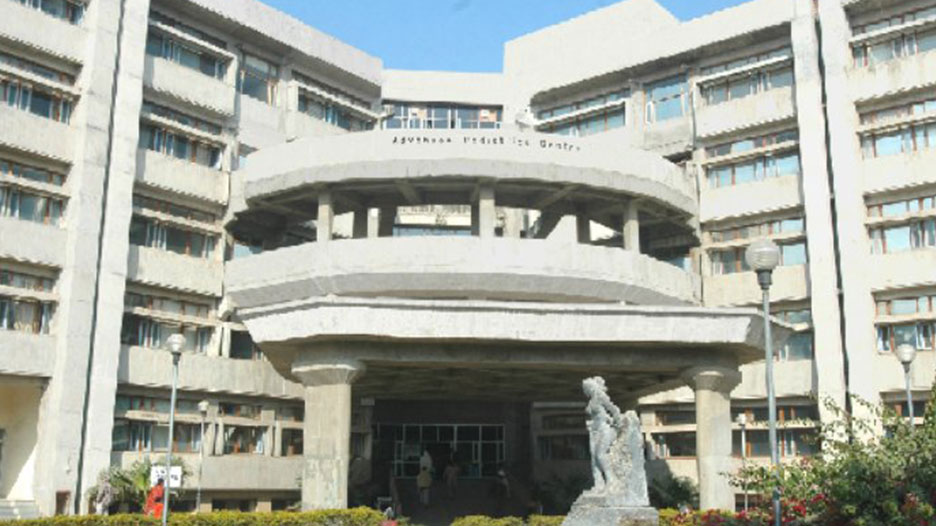
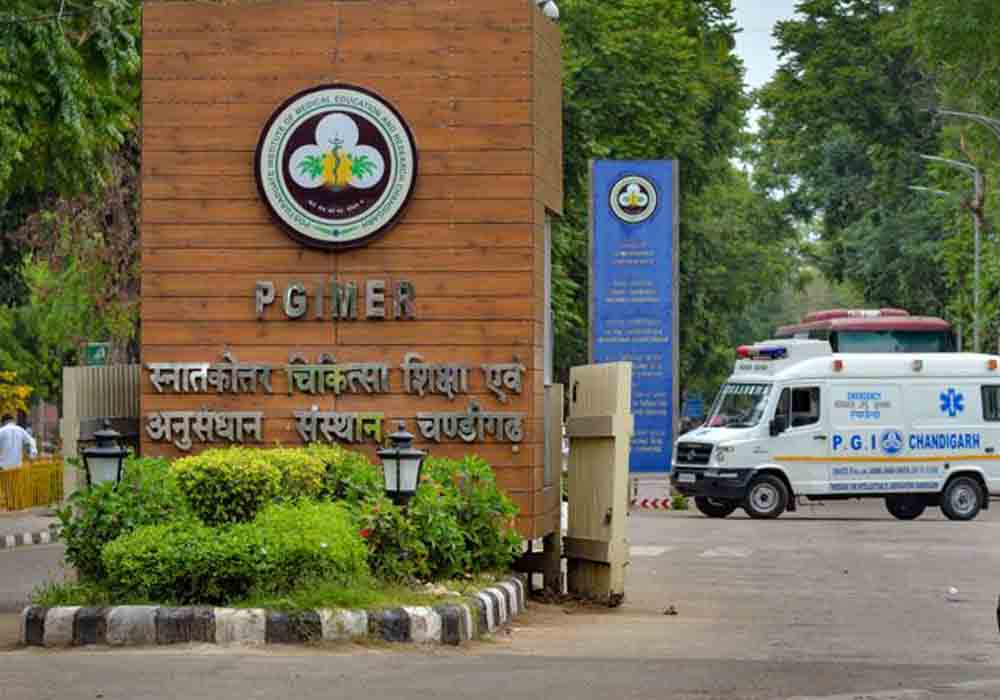
Post Graduate Institute of Medical Education and Research (PGIMER), Chandigarh,
is a prominent medical education, research, and healthcare institution PGIMER in India. Established to advance medical knowledge, develop skilled healthcare professionals, and provide specialized medical services, the Post Graduate Institute of Medical Education and Research has an important role in postgraduate medical education and clinical research. Located in Chandigarh, the institute brings together academic learning, advanced medical facilities, specialized clinical departments, and scientific research under one institutional framework.
For students aspiring to pursue careers in medicine, nursing, healthcare technology, and biomedical research, the PGIMER offers an academic environment focused on professional development, practical experience, and evidence-based healthcare. Its combination of education, research, and patient care provides opportunities for learners and healthcare professionals to develop specialized knowledge while contributing to the advancement of medical science.
- Overview of the PGIMER
The PGIMER is a nationally recognized postgraduate medical institution situated in Chandigarh, India. It was established in 1962 with the objective of improving medical education, supporting advanced research, and providing high-quality medical services. The institute operates as an institution of national importance and serves as a major center for specialized healthcare and medical training.
The PGIMER emphasizes the integration of academic instruction with clinical practice. Medical students, postgraduate trainees, researchers, and healthcare professionals can engage in structured educational activities, supervised clinical learning, and research initiatives. The institute’s multidisciplinary approach encourages collaboration between medical specialties and supports the development of modern healthcare practices.
Its educational and clinical environment also provides opportunities to understand complex medical conditions, explore innovative treatment methods, and develop skills relevant to modern healthcare systems.
- Medical Education and Academic Programs
The PGIMER provides specialized educational opportunities for students and professionals seeking advanced qualifications in medical and healthcare disciplines. Its academic activities cover undergraduate and postgraduate medical education, nursing, allied health sciences, and doctoral-level research, depending on the programs offered and current admission policies.
The institute’s educational approach combines theoretical knowledge with practical training. Students gain exposure to scientific principles, diagnostic procedures, clinical decision-making, and professional responsibilities relevant to their respective fields.
Undergraduate and Professional Education
The PGIMER offers selected undergraduate-level healthcare programs, including nursing and allied health disciplines. These programs are designed to help students develop essential academic knowledge, practical competencies, communication skills, and an understanding of patient-centered care.
Learners receive opportunities to participate in supervised clinical activities and develop familiarity with hospital environments, medical equipment, patient safety, and healthcare teamwork. The availability and eligibility requirements of individual programs should always be confirmed through the institute’s official admission notices.
Postgraduate Medical Programs
PGIMER, Postgraduate education is a central part of the Post Graduate Institute of Medical Education and Research. The institute offers advanced training in various medical specialties and super-specialties, subject to its current academic offerings.
These programs support the development of specialist doctors through clinical rotations, academic discussions, supervised patient care, practical assessments, and research-related activities. Postgraduate trainees have opportunities to deepen their understanding of medical conditions, diagnostic techniques, treatment planning, and evidence-based clinical practice.
Doctoral and Research Programs
The PGIMER also supports advanced research and doctoral-level academic opportunities in relevant medical and biomedical fields. These pathways allow qualified candidates to investigate scientific questions, develop research methodologies, analyze findings, and contribute to medical knowledge.
Research students may work in areas such as clinical medicine, biomedical sciences, public health, laboratory sciences, and other disciplines supported by the institute.
- Admission Process at the PGIMER
Admission to the Post Graduate Institute of Medical Education and Research is based on the eligibility criteria, selection procedures, and admission regulations applicable to each academic program. Applicants must carefully review the official prospectus and admission notifications to understand the requirements for their chosen course.
The institute may use entrance examinations, qualifying examination results, interviews, or other program-specific selection methods, depending on the course. Candidates should prepare their academic documents, identification records, eligibility certificates, and other required materials before submitting an application.
Eligibility Criteria
The PGIMER has different eligibility requirements for its medical, nursing, allied health, postgraduate, and research programs. These requirements may include:
Relevant academic qualifications from a recognized institution.
Minimum marks or grades, where applicable.
Required professional registration for certain medical programs.
Completion of compulsory internships or clinical training, where specified.
Entrance examination qualifications or other selection requirements, where applicable.
Additional documents or research qualifications for particular programs.
Applicants should verify the precise eligibility criteria for their selected course because requirements can differ considerably between programs.
Application Procedure
The PGIMER publishes admission information through its official channels. Applicants should follow the current application instructions and complete each stage within the announced deadlines.
The general application process may include:
Reviewing the current admission notification and prospectus.
Selecting an eligible academic program.
Completing the prescribed online application, where available.
Uploading the required academic and personal documents.
Paying the applicable application fee, if required.
Appearing in the relevant entrance examination or selection process.
Checking the published merit list or selection results.
Completing document verification and admission formalities if selected.
The PGIMER may revise admission procedures, deadlines, and selection requirements, so applicants should rely on the latest official notifications rather than outdated information.
- Advanced Healthcare Facilities and Clinical Services
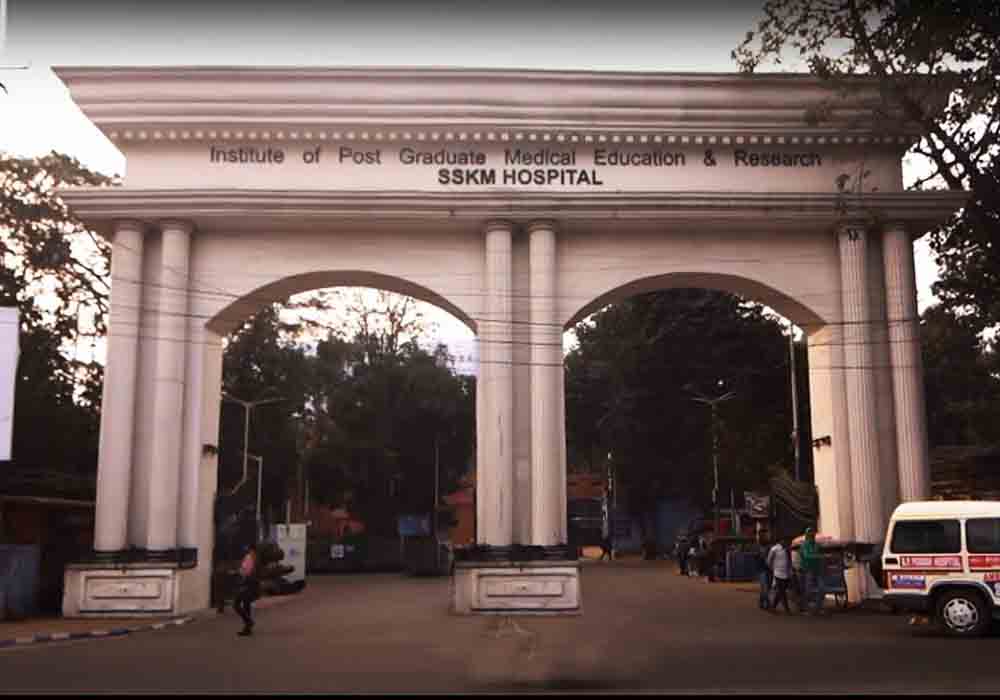
The PGIMER combines medical education with specialized healthcare services. Its hospital and clinical departments support patient diagnosis, treatment, medical supervision, and specialist consultations across multiple disciplines.
The institution provides a setting where healthcare professionals can apply scientific knowledge to clinical practice while developing professional experience. Its multidisciplinary services help facilitate collaboration between specialists, nurses, laboratory professionals, and other healthcare workers.
Specialized Medical Departments
The PGIMER has a range of specialized medical departments that support clinical care, academic training, and research. These may include areas such as:
Cardiology and cardiovascular sciences
Neurology and neurosciences
Nephrology and kidney care
Gastroenterology
Endocrinology
Oncology and cancer care
Orthopaedics
General medicine and general surgery
Paediatrics
Obstetrics and gynaecology
Anaesthesiology
Radiodiagnosis and imaging
The availability and organization of specific services may change as clinical departments and facilities develop. Patients should consult the institute’s official healthcare information for current services, appointment procedures, and referrals.
Patient-Centered Healthcare PGIMER
The PGIMER supports patient-centered healthcare through specialist consultations, diagnostic services, clinical management, and multidisciplinary treatment approaches. Patient care involves assessing individual medical needs, developing suitable treatment plans, monitoring progress, and coordinating services among relevant healthcare professionals.
The clinical environment also helps medical trainees understand professional ethics, patient communication, informed consent, confidentiality, and safe medical practices. This integration of healthcare delivery and clinical education contributes to the development of responsible healthcare professionals.
- Research and Innovation at the Post Graduate Institute of Medical Education and Research
Medical research is an essential component of the Post Graduate Institute of Medical Education and Research. Scientific investigation helps researchers understand diseases, evaluate treatment approaches, improve diagnostic methods, and develop evidence that can inform healthcare decisions.
The institute’s academic and clinical environment creates opportunities for collaboration among clinicians, laboratory scientists, research scholars, and other specialists. Research activities may involve clinical trials, laboratory investigations, epidemiological studies, translational medicine, and interdisciplinary scientific projects.
Clinical and Biomedical Research
The PGIMER supports research across medical and biomedical disciplines. Clinical research can help investigate the safety and effectiveness of treatments, explore disease patterns, and identify opportunities to improve patient outcomes.
Biomedical research, meanwhile, can explore disease mechanisms, laboratory diagnostics, molecular biology, genetics, and other scientific areas. Depending on the project, researchers may work with clinical data, laboratory samples, established scientific methods, and specialized research facilities under appropriate ethical and regulatory requirements.
Research Opportunities for Students
Students and scholars at the PGIMER may have opportunities to participate in academic projects, prepare dissertations, conduct supervised investigations, and present research findings.
Research training can help develop valuable skills, including:
Scientific literature review
Research methodology and study design
Data collection and interpretation
Statistical analysis
Critical thinking and scientific writing
Research ethics and responsible conduct
Presentation and communication of findings
These skills can support future careers in clinical practice, academic medicine, biomedical research, and healthcare innovation.
- Campus Environment and Student Life
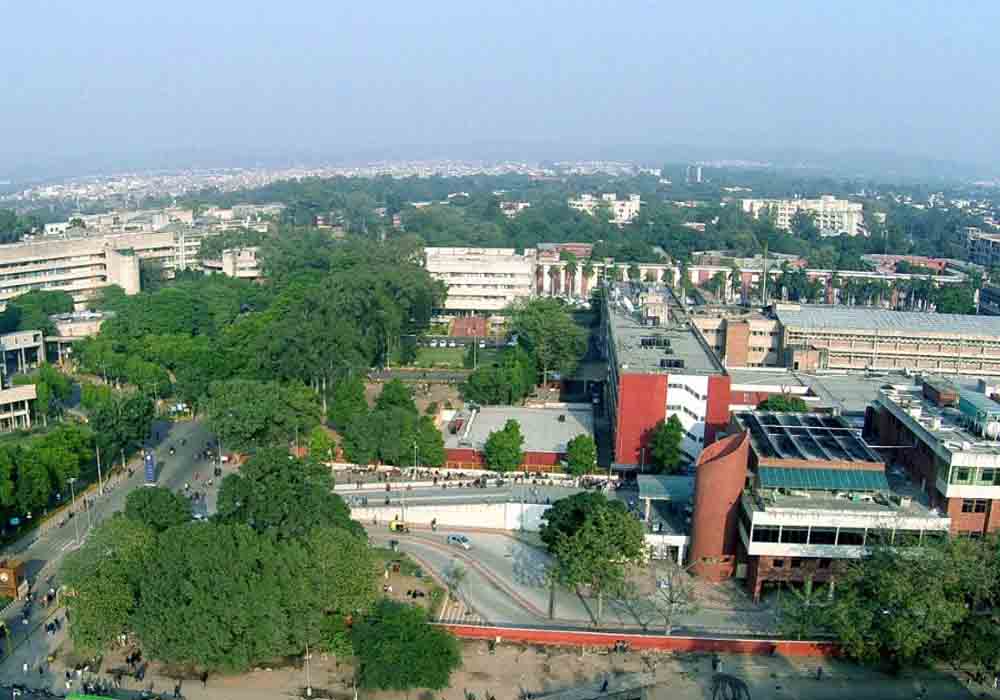
The PGIMER provides an academic and clinical environment where students and healthcare professionals can engage in education, practical training, research, and professional collaboration. Located in Chandigarh, the institute is part of a planned city with educational institutions, public facilities, and residential areas.
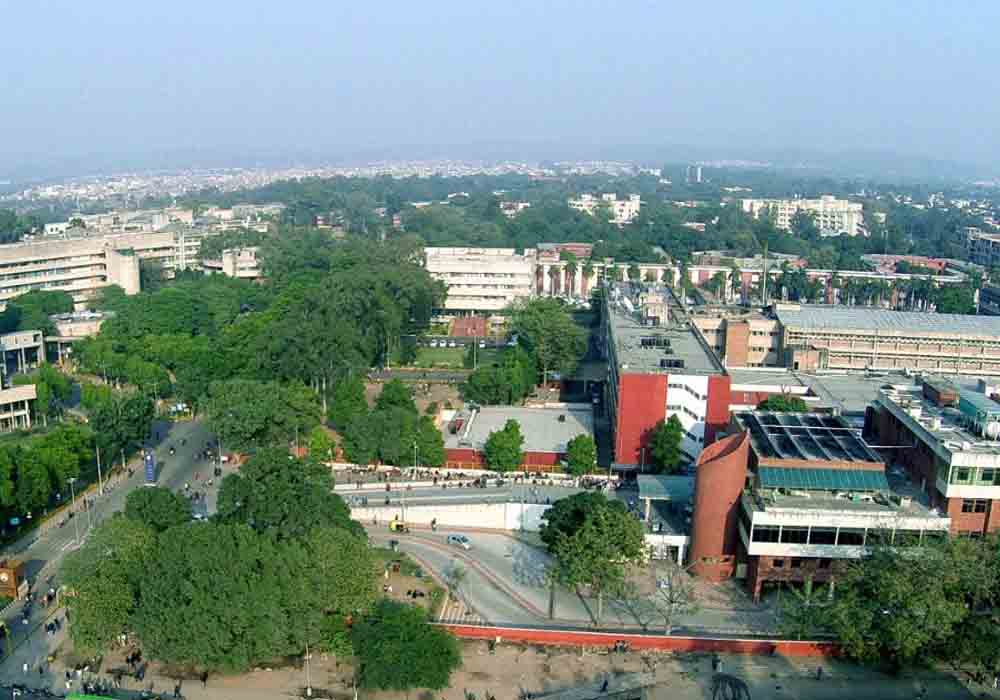
The institute’s campus includes academic, clinical, and administrative facilities that support its institutional activities. Students’ day-to-day experiences may include lectures, laboratory sessions, clinical rotations, academic seminars, examinations, research activities, and collaborative learning.
Academic and Clinical Learning
The PGIMER encourages learning through both structured instruction and practical experience. Depending on the program, students may participate in case discussions, ward-based learning, laboratory activities, seminars, and supervised clinical training.
This approach helps learners connect classroom knowledge with real-world healthcare situations. It also provides opportunities to develop communication, teamwork, time management, and professional conduct.
Student Support and Accommodation
The PGIMER provides institutional facilities to support students and trainees, subject to availability and applicable policies. Accommodation, campus amenities, and other support services may differ according to student category, program, and institutional regulations.
Prospective students should review current hostel rules, accommodation availability, fees, and student welfare information before accepting admission. Understanding these arrangements can help students prepare for academic life and manage their educational responsibilities.
- Career Opportunities After Studying at the Post Graduate Institute of Medical Education and Research
The PGIMER offers educational pathways that can prepare graduates for a variety of professional roles in medicine, healthcare, research, and academia. Career opportunities depend on the qualification earned, professional registration requirements, practical experience, and the employment criteria of individual organizations.
Graduates may pursue careers in the following areas:
Career Field
Potential Opportunities
Medical Practice
Clinical practice and specialist roles, subject to qualifications
Nursing
Professional nursing and specialized nursing services
Medical Research
Clinical research and biomedical investigation
Healthcare Education
Teaching, academic training, and medical instruction
Allied Health Sciences
Diagnostic, technical, and clinical support roles
Public Health
Healthcare programs, epidemiology, and health research
Hospital Administration
Healthcare management and hospital operations
Doctoral Research
Academic research and scientific development
The PGIMER provides academic and practical training relevant to these professional pathways. However, completing a course does not guarantee employment, and some career paths require additional qualifications, licensing, or specialist training.
Opportunities in Medical Research and Academia
Graduates of the Post Graduate Institute of Medical Education and Research who pursue research or academic careers may explore opportunities in universities, research institutions, medical colleges, hospitals, and scientific organizations.
Advanced qualifications and research experience can help candidates develop expertise in specialized subjects, contribute to scientific publications, participate in collaborative projects, and support the education of future healthcare professionals.
Professional Development in Healthcare
The Post Graduate Institute of Medical Education and Research provides an environment for developing clinical knowledge, technical skills, ethical awareness, and professional communication. These competencies are relevant to healthcare careers in hospitals, laboratories, research centers, educational institutions, and public health organizations.
- Why Students Consider the Post Graduate Institute of Medical Education and Research
The Post Graduate Institute of Medical Education and Research attracts students and healthcare professionals interested in specialized medical education, scientific research, and clinical experience. Its institutional focus brings together several important aspects of professional development.
Key features include:
Specialized medical education: Opportunities to study and train in a variety of healthcare disciplines.
Clinical exposure: Practical learning within a major hospital environment.
Research opportunities: Academic investigation across relevant medical and biomedical fields.
Multidisciplinary learning: Interaction among professionals from different healthcare specialties.
Professional development: Opportunities to develop clinical, academic, technical, and communication skills.
Patient care: Exposure to complex healthcare requirements and coordinated medical services.
Academic advancement: Pathways for postgraduate study and advanced research, subject to program eligibility.
The Post Graduate Institute of Medical Education and Research integrates these activities within an institutional setting that supports education, research, and patient care. Prospective applicants should compare individual program structures, eligibility requirements, and learning outcomes to identify the courses that align with their academic goals.
- Fees, Scholarships, and Financial Considerations
The Post Graduate Institute of Medical Education and Research has program-specific fee structures and financial requirements. Tuition fees, admission charges, hostel fees, deposits, and other expenses can vary depending on the course and applicable institutional regulations.
Students should consult the latest official prospectus and fee notifications to obtain accurate information about the total cost of their chosen program. They should also consider accommodation, transportation, books, study materials, and personal expenses when preparing a financial plan.
The Post Graduate Institute of Medical Education and Research may provide financial assistance, stipends, or other benefits for eligible students and trainees in accordance with applicable program rules and institutional policies. Such support is not necessarily available to every student or in every course.
Applicants should check the current terms, eligibility criteria, payment schedules, and availability of financial support before beginning the admission process.
- How to Contact the Post Graduate Institute of Medical Education and Research
The Post Graduate Institute of Medical Education and Research is located in Chandigarh, India. Prospective students, researchers, patients, and other visitors should use the institute’s official website for verified contact information, department details, admission announcements, and patient service guidance.
Official Institution Information
Name: Post Graduate Institute of Medical Education and Research
Abbreviation: PGIMER
Location: Chandigarh, India
Established: 1962
Institutional Focus: Medical education, healthcare, and research
Official Website: pgimer.edu.in
The Post Graduate Institute of Medical Education and Research publishes important institutional information through its official channels. Applicants should refer to the relevant academic department or admission portal for updated application dates, course details, entrance examination information, and selection procedures.
Frequently Asked Questions (FAQs)
- What is the Post Graduate Institute of Medical Education and Research?
The Post Graduate Institute of Medical Education and Research is a medical education, research, and healthcare institution located in Chandigarh, India. Established in 1962, it provides specialized medical training, supports scientific research, and delivers healthcare services.
- Where is the Post Graduate Institute of Medical Education and Research located?
The Post Graduate Institute of Medical Education and Research is located in Chandigarh, India, a planned city in northern India known for its educational and healthcare institutions.
- What courses are available at the Post Graduate Institute of Medical Education and Research?
The Post Graduate Institute of Medical Education and Research offers programs across postgraduate medical education, super-specialty training, nursing, allied health sciences, and research. Course availability and eligibility requirements depend on the current academic prospectus.
- How can students apply to the Post Graduate Institute of Medical Education and Research?
Applicants can follow the admission notifications and application instructions published by the Post Graduate Institute of Medical Education and Research on its official website. The process varies by program and may include an entrance examination, document verification, and other selection requirements.
- Does the Post Graduate Institute of Medical Education and Research offer research opportunities?
Yes, the Post Graduate Institute of Medical Education and Research supports research in medical, clinical, and biomedical disciplines. Research opportunities depend on the relevant department, program, eligibility requirements, and available projects.
- Is accommodation available at the Post Graduate Institute of Medical Education and Research?
The Post Graduate Institute of Medical Education and Research has accommodation facilities for eligible students and trainees, subject to availability and institutional rules. Applicants should check the latest hostel policies and allocation procedures.
- What career opportunities are available after graduating from the Post Graduate Institute of Medical Education and Research?
Graduates of the Post Graduate Institute of Medical Education and Research may pursue careers in clinical practice, nursing, medical research, healthcare education, allied health sciences, and public health, depending on their qualifications and applicable professional requirements.
Conclusion
The Post Graduate Institute of Medical Education and Research, Chandigarh, is an established institution dedicated to advancing medical education, specialized healthcare, and scientific research. Its academic programs, clinical learning environment, multidisciplinary facilities, and research activities provide opportunities for students and professionals seeking to develop expertise in healthcare and medical science.
For aspiring medical students, researchers, nurses, and healthcare professionals, the Post Graduate Institute of Medical Education and Research offers multiple educational and professional pathways. Understanding the available programs, admission criteria, financial requirements, and career possibilities can help applicants plan their next academic steps.
Those interested in joining the Post Graduate Institute of Medical Education and Research should review the official website for the most recent admission announcements, course details, fee structures, and institutional updates to make informed decisions about their educational future.