All India Institute of Medical Sciences courses, admissions, MBBS, postgraduate programs, research, medical education, and the latest 2026 updates for students planning a medical career.
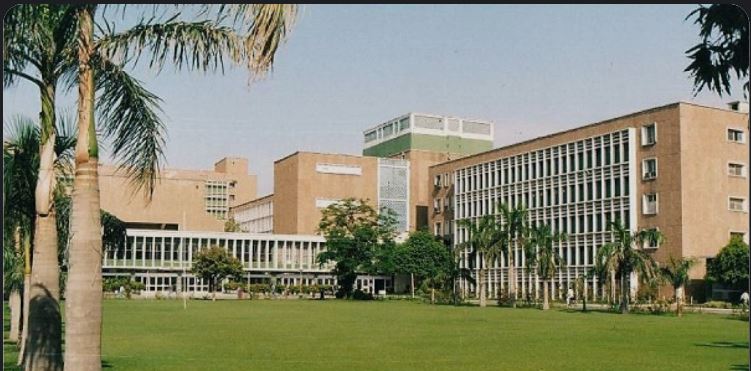
All India Institute of Medical Sciences: 10 Powerful & Inspiring Facts About India’s Premier Medical Education Hub
What Is All India Institute of Medical Sciences?
All India Institute of Medical Sciences is one of India’s most prominent public medical education and healthcare institutions, with AIIMS New Delhi serving as the flagship institution. AIIMS was established through an Act of Parliament in 1956 with the broad objective of creating high standards in undergraduate and postgraduate medical education, healthcare, and research.
The official AIIMS academic information describes the institution as an autonomous institute designed to establish patterns and standards in medical education and to demonstrate a high level of patient care. ([AIIMS][1]) Today, the name All India Institute of Medical Sciences is associated with advanced medical education, specialist training, clinical services, scientific research, and a wide range of healthcare disciplines.
For students, the institution represents a demanding academic environment where medicine is connected with practical clinical exposure and research. AIIMS New Delhi’s current examination portal lists academic opportunities spanning medicine, dentistry, nursing, biotechnology, paramedical disciplines, postgraduate study, super-specialization, and doctoral education. ([AIIMS Exams][2]) That broad academic ecosystem is one reason the institution remains an important destination for students who want to build careers in medicine and healthcare.
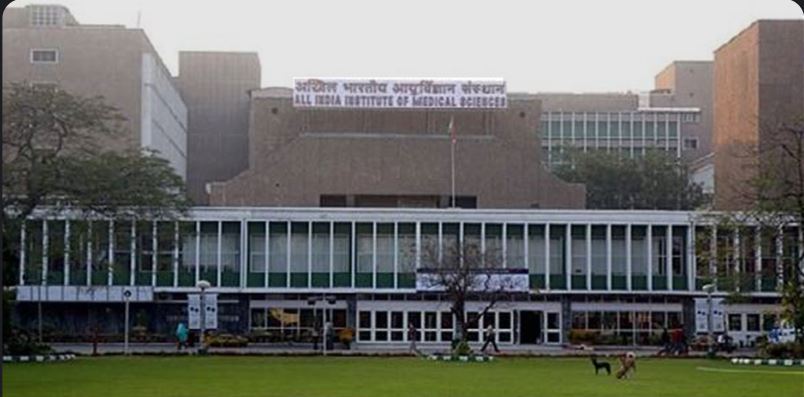
History and Purpose of AIIMS
The story of All India Institute of Medical Sciences begins with a national vision of improving medical education and healthcare standards in India. Rather than functioning only as a conventional medical college, AIIMS was conceived as an institution that could combine teaching, patient care, and research under one academic framework.
Its official description emphasizes its role in establishing patterns for undergraduate and postgraduate medical education and developing high standards of healthcare. ([AIIMS][1]) This approach gives AIIMS a distinctive identity because medical students can encounter a learning environment closely connected with hospitals, laboratories, specialist departments, and academic research.
Over the decades, the model developed at AIIMS New Delhi has also influenced the creation and development of additional AIIMS institutions across India. The result is a broader national network carrying the AIIMS name, although individual institutes have their own campuses, academic offerings, admission processes, and administrative arrangements.
For anyone researching All India Institute of Medical Sciences, it is therefore important to distinguish between AIIMS New Delhi and other AIIMS institutions rather than treating every campus as identical.
AIIMS New Delhi and Its National Importance
All India Institute of Medical Sciences New Delhi occupies a particularly important position in India’s medical education system. The official AIIMS New Delhi examination portal describes its examination section as an important part of the academic framework and currently lists entrance opportunities for programs including MBBS, BSc Nursing, MSc, biotechnology, and other healthcare disciplines.
The institution also manages postgraduate and super-specialty pathways, including INI-CET and INI-SS-related admissions. Current September 2026 notices show that online registration for INI-CET admission to postgraduate courses for the January 2027 session has opened, while registration for INI-SS DM/MCh courses for January 2027 has also started.
These current notices demonstrate that AIIMS is not simply a historical medical institution; it continues to operate a large and active academic and examination system. For prospective students, following official notices is essential because admission procedures, dates, eligibility requirements, seat allocations, and examination schedules can change between sessions.

AIIMS in Medical Education and Healthcare
The educational model of All India Institute of Medical Sciences connects classroom learning with clinical experience and professional training. AIIMS New Delhi’s academic section handles undergraduate, postgraduate, doctoral, nursing, and paramedical education, while its postgraduate system includes areas such as MD, MS, MDS, DM, MCh, fellowships, PhD, MSc, and biotechnology.
This broad structure allows students and medical professionals to pursue different stages of healthcare education within a major academic medical environment. The institution’s Department of Medicine also describes its work around three interconnected areas: patient care, medical education, and translational and clinical research.
That combination matters because modern medicine is not simply about memorizing diseases and treatments; it also involves understanding evidence, interpreting research, communicating with patients, and applying clinical knowledge responsibly. For students considering All India Institute of Medical Sciences, the institution can therefore be viewed as a complete professional ecosystem rather than simply a place to obtain a medical degree.
Courses Offered at All India Institute of Medical Sciences
The range of programs available through All India Institute of Medical Sciences is considerably broader than MBBS alone. Official AIIMS information lists undergraduate programs including MBBS, BSc Nursing, medical technology in radiography, ophthalmic techniques, operation theatre technology, dental hygiene, dental operating room assistance, and other healthcare disciplines.
At the postgraduate level, the institution provides pathways including MSc, MSc Nursing, M Biotechnology, MD, MS, MDS, and hospital administration, along with super-specialty programs such as DM and MCh.
Doctoral and fellowship opportunities are also part of the academic structure. ([AIIMS][1]) This diversity makes AIIMS relevant not only to aspiring doctors but also to students interested in nursing, medical technology, laboratory sciences, biotechnology, research, and specialized healthcare professions.
The exact courses, seats, eligibility rules, and admission routes depend on the specific program and session, so applicants should always check the current official prospectus or admission notice before making academic decisions.
Undergraduate Programs
For students entering healthcare education after secondary school, All India Institute of Medical Sciences offers several undergraduate pathways. MBBS is the best-known medical program, while AIIMS New Delhi’s academic information also lists BSc Nursing and several allied-health and medical technology programs.
These programs serve different professional goals, meaning a student interested in becoming a physician should not automatically assume that every AIIMS undergraduate course follows the same admission route. Nursing and allied-health programs have their own requirements and schedules, and the official examination portal publishes specific notices and seat-allocation information for different programs.
In September 2026, for example, the AIIMS examination portal published notices concerning open-round seat allocation for BSc Nursing and BSc Allied & Health Care courses. ([AIIMS Exams][5]) This illustrates why applicants should identify the exact course they want before researching eligibility, entrance examinations, counselling, and deadlines. Careful planning can turn a complicated admissions process into a series of manageable steps.
Postgraduate and Super-Specialty Programs
The postgraduate ecosystem at All India Institute of Medical Sciences provides opportunities for doctors and healthcare professionals to progress into advanced specialties. Official AIIMS information includes MD, MS, MDS, MSc, MSc Nursing, M Biotechnology, DM, MCh, fellowships, and PhD-related pathways.
Postgraduate applicants need to pay particular attention to the examination route because AIIMS participates in the Institutes of National Importance admission framework. The current examination portal states that registration for INI-CET for the January 2027 postgraduate session began in September 2026.
For super-specialty education, the portal likewise shows an active INI-SS admission cycle for January 2027. These routes demonstrate how All India Institute of Medical Sciences supports medical education well beyond the undergraduate level, giving qualified professionals pathways toward highly specialized clinical and academic careers.
MBBS at All India Institute of Medical Sciences
The MBBS program is one of the most recognizable educational pathways associated with All India Institute of Medical Sciences. Students interested in AIIMS New Delhi should understand that the current undergraduate admission framework is linked to the national NEET-UG process rather than relying on outdated information about a separate AIIMS MBBS entrance examination.
Official AIIMS records include the 2025 MBBS prospectus and notices relating to admission to the AIIMS New Delhi MBBS batch through NEET-UG. ([AIIMS Exams][7]) The curriculum is designed around medical sciences and clinical education, and AIIMS publishes detailed information concerning its MBBS syllabus and academic structure.
A prospective student should therefore concentrate not only on obtaining a qualifying examination score but also on understanding counselling, institute allocation, eligibility, documentation, and reporting requirements. Because admission policies and dates can change, applicants should verify the latest official notices rather than depending on old coaching materials or social-media posts.
Admission Through NEET-UG
For undergraduate medical aspirants researching All India Institute of Medical Sciences, NEET-UG is a central part of the admission pathway for MBBS. AIIMS New Delhi’s official notices have specifically addressed MBBS admission through NEET-UG, including reporting instructions for its MBBS batch.
Students should approach the process as a sequence: prepare for NEET-UG, complete the required national counselling procedures, monitor seat allocation, and follow the institute’s instructions if AIIMS New Delhi is allotted.
It is also important to distinguish an AIIMS institution’s academic reputation from the precise admission requirements of a particular year. A candidate should verify the current NEET-UG rules, counselling authority instructions, category requirements, documentation, and reporting dates before applying. For anyone searching All India Institute of Medical Sciences admission, the safest strategy is to use official AIIMS and relevant national examination/counselling sources for current information instead of relying on old admission articles.
Postgraduate Admission and INI-CET
For postgraduate medical education, All India Institute of Medical Sciences plays a central role in the Institutes of National Importance admission system. The current AIIMS examination portal shows that online registration for INI-CET for postgraduate courses for the January 2027 session began on September 17, 2026.
INI-CET is therefore an important examination for doctors seeking postgraduate opportunities at participating Institutes of National Importance. Applicants should carefully review the current information brochure, eligibility conditions, registration instructions, examination requirements, and institute-specific seat information for the relevant session.
The process can feel complex, but breaking it into stages makes it easier to manage: first confirm eligibility, then complete registration accurately, prepare according to the examination syllabus, and finally follow the counselling or institute-allocation process.
Because postgraduate admissions can involve changing seat positions and session-specific notices, students searching for All India Institute of Medical Sciences postgraduate admission should always prioritize the latest official examination portal information.
Research and Innovation at AIIMS
Research is another major dimension of All India Institute of Medical Sciences, especially at AIIMS New Delhi. The institution combines medical education with clinical and translational research, allowing academic departments to investigate diseases, treatments, healthcare delivery, and emerging medical challenges.
The Department of Medicine’s official 2026 introduction describes its work across patient care, medical education, innovation, and translational and clinical research, while reporting progress in clinical care, academic innovation, research, and public-health leadership during 2025. ([AIIMS][4]) AIIMS also supports doctoral and research-oriented pathways, including PhD programs and research positions.
This research environment is valuable because medicine continually changes as new evidence emerges. Students who develop an interest in scientific investigation can potentially move beyond learning established knowledge and participate in the process of generating new knowledge.
Clinical Training and Patient Care
Clinical exposure gives All India Institute of Medical Sciences a practical dimension that textbooks alone cannot provide. Medical education requires students to connect theoretical knowledge with real clinical situations, and AIIMS New Delhi operates within a major healthcare environment where multiple specialties and patient-care services interact.
The Department of Medicine describes specialized services including infectious disease, metabolic medicine, chest medicine, and sleep medicine, alongside teaching for MBBS, MD, and DM trainees.
This type of environment can expose learners to a broad range of medical presentations and professional responsibilities. At the same time, clinical education requires discipline, empathy, confidentiality, teamwork, and careful supervision because real patients are not simply classroom examples.
For students considering All India Institute of Medical Sciences, the clinical environment is therefore an important part of understanding what medical training actually involves: long hours of learning, continuous assessment, patient interaction, teamwork, and responsibility.
Campus Life and Academic Environment
Life at All India Institute of Medical Sciences can be academically demanding because students are preparing for professions in which knowledge and practical competence both matter.
A medical student may spend time attending lectures, studying anatomy or pharmacology, participating in clinical postings, preparing for examinations, and developing communication skills. AIIMS’s academic section administers teaching programs across undergraduate, postgraduate, and paramedical education, demonstrating the breadth of the academic community.
The environment can also encourage interaction among students from different healthcare disciplines, which reflects how modern hospitals depend on doctors, nurses, technicians, researchers, and other professionals working together. Students should enter medical school with realistic expectations:
prestigious institutions do not make medical education effortless. Instead, they provide an environment where consistent effort, curiosity, professionalism, and resilience can be developed through structured academic and clinical training.
Why Students Consider AIIMS for Medical Education
There are several factual reasons students pay close attention to All India Institute of Medical Sciences**. The institution combines medical education, specialist training, research, and healthcare within a large public academic framework, while AIIMS New Delhi provides a particularly extensive range of undergraduate, postgraduate, super-specialty, and doctoral programs.
Its national academic reputation is also reflected in India’s NIRF Medical Ranking 2025, where AIIMS Delhi received a score of 91.80 and was listed at rank 1 in the medical category. ([NIRF][9]) However, students should interpret rankings as one information source rather than a substitute for examining course structure, location, fees, clinical exposure, faculty, research opportunities, and personal career goals.
A medical college can be highly regarded while still requiring substantial commitment from its students. The most useful approach is to examine the specific program and institute that matches your intended career path.
Latest AIIMS Admission Updates for 2026
For applicants researching All India Institute of Medical Sciences in 2026, the official examination portal is especially important because it provides current notices rather than relying on old articles. As of September 2026, the portal shows active registration for INI-CET for the January 2027 postgraduate session and INI-SS for January 2027 super-specialty courses.
The portal also lists recent notices concerning BSc Nursing and BSc Allied & Health Care open-round seat allocation for the August 2026 session. At the same time, the portal’s 2026 key-dates page indicates that a calendar for 2026 is not currently displayed there, which means applicants should rely on individual official notifications for specific dates rather than assuming that an old annual calendar remains valid.
This is a useful reminder that admission information can change quickly. Students should check the official portal regularly and save important notices, prospectuses, application instructions, and seat-allocation documents.
AIIMS Ranking and Academic Reputation
The academic reputation of All India Institute of Medical Sciences can be examined through independent ranking data as well as official institutional information. In the Ministry of Education’s NIRF India Rankings 2025 Medical category, AIIMS Delhi was listed first with a score of 91.80.
The ranking methodology includes multiple dimensions, including teaching, learning and resources, research and professional practices, graduation outcomes, outreach and inclusivity, and perception. That means a ranking score represents a combination of indicators rather than a single measurement of the student experience. AIIMS also appears in NIRF’s 2025 Research ranking, where AIIMS Delhi was listed at rank 11 with a score of 63.61.
These figures can help students understand the institution’s position in national higher-education assessments, but prospective applicants should still investigate the exact course, institute, department, and admission cycle relevant to them.
How to Prepare for an AIIMS Medical Career
Preparing for a place at All India Institute of Medical Sciences requires more than searching for an impressive college name. Undergraduate candidates should build strong foundations in the subjects tested through the relevant national entrance pathway, practice questions consistently, analyze mistakes, and maintain a realistic study schedule.
Postgraduate candidates need a different strategy because INI-CET and other advanced pathways require deeper medical knowledge, rapid recall, clinical reasoning, and careful examination management. Students should also develop habits that will remain valuable after admission: reading scientific material critically, organizing notes, revising systematically, asking questions, and learning how to manage demanding schedules.
Most importantly, avoid relying on outdated admission information because AIIMS examination procedures and notices can change from one session to another. The official AIIMS examination portal currently publishes live notices and registration information, making it the appropriate starting point for checking current admissions. ([AIIMS Exams][2])
Conclusion
All India Institute of Medical Sciences represents a major part of India’s medical education, healthcare, and research landscape. AIIMS New Delhi offers a broad academic structure that covers MBBS, nursing, allied-health programs, postgraduate degrees, super-specialty training, fellowships, and doctoral education.
Current 2026 information also shows active postgraduate and super-specialty admission activity through INI-CET and INI-SS for the January 2027 sessions. ([AIIMS Exams][2]) Its position in the NIRF 2025 Medical ranking further demonstrates the institution’s prominent standing in India’s medical education sector.
For students, the key lesson is simple: research the exact AIIMS institute and course, verify the latest official eligibility and admission information, prepare consistently, and make academic decisions based on reliable evidence rather than outdated claims.
Frequently Asked Questions
- What is the All India Institute of Medical Sciences?
All India Institute of Medical Sciences is a group of major public medical institutions in India, with AIIMS New Delhi being the flagship institute. AIIMS was established through an Act of Parliament in 1956 with a mission centered on medical education, healthcare, and research.
Is AIIMS New Delhi the same as every other AIIMS?
No. All India Institute of Medical Sciences is the name used across multiple AIIMS institutions, but each institute can have its own campus, courses, facilities, administration, and admission details. AIIMS New Delhi has its own academic and examination structure.
- What entrance examination is used for MBBS admission?
For AIIMS New Delhi MBBS admission, the current system uses NEET-UG, followed by the applicable counselling and institute-allocation process. Official AIIMS notices have specifically referred to admission to the AIIMS New Delhi MBBS batch through NEET-UG.