All India Institute Of Medical Sciences with our detailed guide covering admissions, courses, eligibility, fees, facilities, research, careers, benefits, and important updates.

All India Institute of Medical Sciences: 10 Powerful & Remarkable Facts, Opportunities, Challenges and Essential Guide
Introduction
Making a scientific culture available in the country was Jawaharlal Nehru’s dream, and he at once drew up a great plan for this. One of the temples of modern India, which he designed, was a centre of excellence in the medical sciences. Nehru envisioned that such a centre would be a benchmark for medical education and research in the countries of Southeast Asia and this was wholeheartedly backed by his own Health Minister, Rajkumari Amrit Kaur.
The health survey and development committee ,chaired by Sir Joseph Bhore, an Indian Civil Servant ,had in 1946 All India Institute of Medical, already recommended the establishment of a national medical centre which would concentrate on meeting the need for highly qualified manpower to look after the nation’s expanding health care activities
The ideals of Nehru and Amrit Kaur and the recommendations made by the Bhore Committee came together and gave rise to a plan that was acceptable to the government of New Zealand. All India Institute of Medical, A generous grant from New Zealand under the Colombo Plan made it possible to lay the foundation stone of All India Institute of Medical Sciences (AIIMS) in 1952.
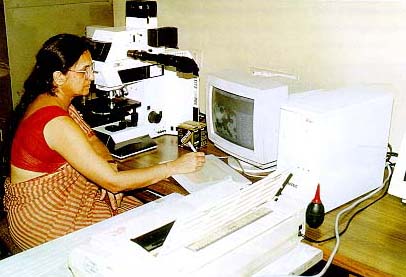
The AIIMS was finally created in 1956,as an autonomous institution through an Act of Parliament ,to serve as a nucleus for nurturing excellence in all aspect of health care. All India Institute of Medical.
All-India Institute of Medical Sciences was established as an institution of national importance by an Act of Parliament with the objects to develop patterns of teaching in Undergraduate and Post-graduate Medical Education in all its branches so as to demonstrate a high standard of Medical Education in India;
All India Institute of Medical, to bring together in one place educational facilities of the highest order for the training of personnel in all important branches of health activity; and to attain self-sufficiency in Post-graduate Medical Education.
The Institute has all the necessary infrastructure facilities for teaching, research and patient care. AIIMS provides teaching programs in All India Institute of Medical, medical and para-medical undergraduate and postgraduate courses and grants its own degrees as per the provisions of the Act.
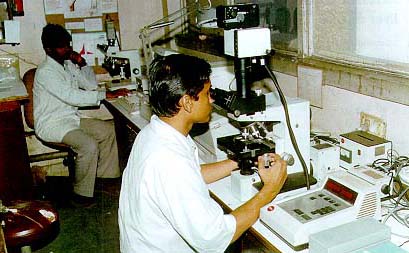
Research and teaching take place in 42 disciplines. In the field of medical research AIIMS is the lead, having more than 600 research publications by its faculty and researchers in a year. All India Institute of Medical, In addition, AIIMS has a College of Nursing and offers B.Sc (Hons.) nursing courses. Nursing post-certificate) degrees.
There are twenty-five Clinical departments, four Super specialty centers with pre- and Para clinical departments catering to almost all the clinical conditions. However, burn cases, dog-bite cases and patients suffering from infectious diseases are not entertained in the AIIMS Hospital.
AIIMS also operates a 60 bedded hospital in the Comprehensive Rural Health Centre at Ballabgarh, All India Institute of Medical, Haryana and has a health cover for around 2.5 lakh people through the Centre for Community Medicine.
Objectives of All India Institute of Medical Sciences
To develop a pattern of teaching in undergraduate and postgraduate medical education in all its branches so as to demonstrate high standard of medical education to all medical colleges and other allied institutions in India. All India Institute of Medical,
- MBBS Students – 383
- B.Sc. (Hons.)Nursing Students
B.Sc. Nursing (Post Certificate),
B.Sc. (Hons.) MTR &
B.Sc. (Hons) Ophthalmic Tech. Students
393
- MD,MS,MDS,MHA & M.Ch.(6 years) Students – 655
- DM & MCH Students – 224
- Ph. D. Students – 419
M.Sc., M.Sc. Nursing
& M.Biotechnology Students – 109
No. of students All India Institute of Medical, who have been awarded degrees till 41st Convocation held in 2013:
- MBBS – 2646
- B.Sc.(Hons.) Nursing, – 2674
- MD,MS,MDS,MHA & M.Ch. (6 years) – 5198
- DM & MCH – 1344
- Ph. D. – 996
- M.Sc., M.Sc. Nursing
& M. Biotechnology – 764
For the training of the personnel in all the important branches of the health activity in highest educational institutions brought together in one place. All India Institute of Medical. to attain self sufficiency in postgraduate in medical education.
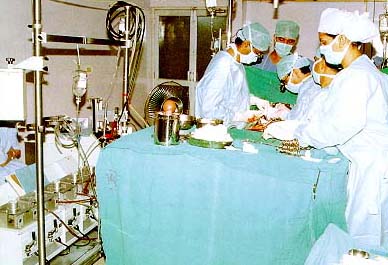
Functions of AIIMS
Medical and related physical and biological sciences undergraduate and postgraduate teaching.
Nursing education and dental education. All India Institute of Medical.
Innovations in education.
Producing medical teachers for the country.
Research in medical and related sciences.
Health care : preventive, promotive and curative; primary, secondary & tertiary.
The teaching and research based in the community
Academic Section
Introduction
The Academic Section is responsible for the policy making, planning and implementation of academic programmes towards the goal of the Institute as outlined in AIIMS Act, 1956.
The aim of the Institute is to create a model of teaching in all branches of Undergraduate and Postgraduate medical education which will enable it to present a high standard of medical education to all other medical colleges and other allied institutions in India, All India Institute of Medical, to provide educational facilities in one place.
Phase Duration (years) Training
First One Pre-Clinical All India Institute of MedicalAll India Institute of Medical
Second One-and-a-half Para-clinical
Third Two Clinical
Internship One Compulsory rotation in various departments
These activities include those of the undergraduate, post-graduate and doctorate programmes in the medical, nursing and paramedical courses. All India Institute of Medical, The Academic Section under-graduates, post-graduates and paramedical cells perform these activities.

AIIMS AT GLANCE
All India Institute of Medical, Academic Section Information for Year 2013 – 2014
On Roll students in different courses in AIIMS as on 31/03/2014:
The Academic Section is responsible for formulating policy and planning, and conducting academic activities at AIIMS, New Delhi. All India Institute of Medical, These activities relate to the undergraduate, postgraduate and doctorate programs for medical, nursing and paramedical courses. They are carried out by the undergraduate, postgraduate and paramedical cells.
UNDERGRADUATE EDUCATION
The section takes care of post-admission formalities for new students, prepares and updates curriculum, and manages teaching programs (including internal assessment of undergraduate students enrolled in different courses). All India Institute of Medical.
These Courses are MBBS, BSc (Hons) Medical Technology in Radiography, Ophthalmic Techniques, Operation Theatre Technology, BSc Dental Hygiene, BSc Dental Operating Room Assistant (DORA) and BSc (Hons) Nursing Courses. All India Institute of Medical.
Bachelor of Medicine and Bachelor of Surgery (MBBS) :
The pattern of education in MBBS course was reviewed and re-structured in July 2004. The MBBS course is of 5½ years duration and comprises of 3 phases and internship. The information is as follows:
At present, 125 Indian students are admitted every year to the MBBS course (51 General category, 34 Other Backward Classes, 12 Economically Weaker Section (EWS) category, All India Institute of Medical, 19 Scheduled Caste and 9 Scheduled Tribe). Persons with Disabilities (PWD): 5% reservation was given on horizontal basis.
There are also 7 foreign national students admitted every year. Since the year 2020, these admissions will be done on merit taken by the National Testing Agency (NTA) through its National Eligibility Entrance Test (NEET). All India Institute of Medical.
There were 523 MBBS students on rolls, with 73 interns, as on 31 March, 2021. One student of each phase (1st, 2nd and Final) All India Institute of Medical, of the MBBS professional exam, who secured 1st, 2nd and 3rd position in that exam, were awarded the scholarships.
Research & Clinical Programs
It is science alone that can alleviate the woes of hunger and poverty, of insanitation and illiteracy, of superstition and deadening All India Institute of Medical, custom and tradition, of vast resources running to waste, of a rich country beset with starving people.
Jawaharlal Nehru
Research at AIIMS is not only a routine activity but a mission having three objectives. As anywhere else, the primary purpose of research is to gratify curiosity by disciplined activity, All India Institute of Medical, thereby leading to creation of new knowledge. But at AIIMS, we are also conscious of the role research can play in improving the quality of teaching.
A teacher who is involved in research is current with new information and can also instill an attitude of inquiry and free thinking into his/her students. Lastly science research at AIIMS All India Institute of Medical, is a part of our national effort to foster scientific temper and to remove authority and superstitious attitude from the society.
Research at AIIMS is a part of our national endaeavour to cultivate a scientific temper and to eliminate from our society the sway of authority and superstition. All India Institute of Medical.
AIIMS receives generous funding from national and international agencies and also provides small amount of research grants to the institution. All India Institute of Medical, The grants are sanctioned following the screening of the projects by a Committee and are primarily intended to get the Junior faculty members started on research.
Therefore, with all other factors being equal, a preference is given to the younger application. All India Institute of Medical, Once an investigator has made some headway he or she may request additional grants from other agencies.
There is a wide variety of research performed at AIIMS. On one hand we carry out advanced research on the neurosciences, genetics and computer modelling of the interaction between hormones and receptors. All India Institute of Medical, On the other hand ,we undertake clinical and epidemiological studies on the prevention and treatment of national health problems.
Advanced technologies like DNA recombinant technology, immunology and electron microscopy are being used to investigate common diseases in our country like leprosy, malaria, tuberculosis, diabetes, diarrhoea, hepatitis, fluorosis, and iodine deficiency. All India Institute of Medical, We have large internationally funded goals-oriented research programmes to increase the diversity of acceptable contraceptives.
The scientific publications emanating from the Institute have been quite steady at about 2 publications per faculty member per year. All India Institute of Medical, about half of these publications are in journals covered by the Science Citation Index.
AIIMS had the highest number of mean ± SD (237.5 ± 37.3) publications per year listed in the Science Citation index (SCI) during the period 1980-88 (Reddy et al. Natl Med J India, 1991; 4: 90-92).
All India Institute of Medical, AIIMS was at the top of the table in India for medical research institutions with 1630 publications listed in Medline over the last 7 years (1987-94). Current Science 1997; 72:912-922).
The quality and the variety of research work carried out at AIIMS can be gauged from the following selected, albeit incomplete, list of some thrust areas.
Control of Diarrheal disease
40% of the children hospitalised for acute diarrheal dehydration in the 1980s were under 5. Even in many parts of India it is hard to find such case in 1997. This has helped bring about this transformation in basic and applied and operational research that has been conducted at AIIMS. Recently we have developed two types of super oral dehydration solutions based on amino concentration.
To investigate common diseases in our country by advanced technologies like DNA recombinant technology, immunology and electron microscopy. All India Institute of Medical.
Flowcytometry
This new formulation will be formally introduced in the Global Diarrheal Disease Control Programme this year by WHO. AIIMS have developed an algorithm for the treatment of persistent diarrhea, which was introduced by WHO in 1994 into the Global Diarrheal Disease Control Programme.
All India Institute of Medical, In 1996, the “Time Magazine” declared AIIMS research on zinc-deficiency as good news for child health as this bacterium was responsible for 50% of the cases of persistent diarrhea.
The Biotechnology Laboratory is currently doing flowcytometry.
For identification of DNA ploidy and surface markers of cancer cells.
Rotavirus was demonstrated at AIIMS to be the major cause of diarrheal disease. Now we have developed a rotavirus vaccine in co-operation with the Department of Biotechnology, which is ready for its first test, which will be made in this year.
Early and sure diagnosis of tuberculosis
AIIMS has created a PCR test to diagnose Tuberculosis. The test, which is specially useful for extrapulmonary tuberculosis, gives the diagnosis within 24-48 hours of receiving the sample in contrast with conventional tests which take 6-8 weeks.The study of the physiology of leprosy is ongoing (Physiology Study In Progress).
Leprosy
Contributions of AIIMS towards research on this dreaded disease include:
The development of anti-leprosy vaccine is going on in Kanpur district.
Trials on the use of interferon for leprosy treatment.
Application of DNA technology to the study of genes of diagnostic value.
Creating tests to detect patients who may be at risk of life-threatening reactions.
Research into the behavioural physiology of a process currently underway.
Malaria
By using modern DNA technologies at AIIMS, it has now become possible for the first time in India to study the strains of the parasite responsible for an epidemic.
HIV Diagnostic test
AIIMS has developed indigenously a highly sensitive and specific ELISA system for detecting HIV antibodies. It costs less than half the imported test kits, and has detected many early cases which the imported kits could not.
Indigenously, AIIMS developed a very sensitive and specific ELISA system for the detection of HIV antibody.It is also more cost effective than imported test kits, and has picked up numerous early cases that the imported test kits were unable to. Since 1986, AIIMS has been a Reference Centre for HIV/AIDS and since 1992, it has been a National HIV Reference Centre.
Reduce liver fibrosis and regenerate/regenerate liver cells.
At AIIMS, epidemiological, clinical and basic research has estimated the magnitude of the problem, resulted in the development of an indigenous diagnostic test and development of a candidate vaccine; a diagnostic assay system for screening blood donors for hepatitis C virus.
Bacterial Plague is diagnosed by this test.
During the outbreak of the year 1994, AIIMS was the first institution to be able to successfully detect and confirm plague by using PCR on autopsy material fixed in formalins in the world. We have cloned, sequenced and expressed the f1 and pla genes of Yersinia pestis which are immunoreactive. These are being used for developing a serological test for plague.Titration Method
Iodine Deficiency Disorders
The effect of iodine deficiency on growth and development particularly on brain development of human fetuses has been defined by AIIMS. Laboratory and field studies done at AIIMS paved the way for the ‘Universal Salt Iodization Programme of the Government of India in 1986.Our Contributions to control of iodine deficiency have reached Bhutan, Nepal, Bangladesh, Maldives, Indonesia, Thailand and some parts of Africa and middle east.
The method of titration is used for the estimation of iodine in salt.
It is very important in the success of this simple is to ensure the success of the universal salt.
Laboratory and field studies done at AIIMS paved the way for the ‘Universal Salt Iodisation Programme of the Government of India.
Anti-Fertility VaccineMorphometric Analysis
Much of the research that has been carried out in the last 25 years towards the development of an anti-human chronic gonadotropin (hCG) vaccine began with research initially carried out at AIIMS.
Immuno cytochemically stained endometrium is subject to morphometric analysis in the Primate Implantation Biology Laboratory, while the photomicrography is in progress.
Post-Coital contraception/Post-Ovulatory contraception.
Fundamental studies of endocrine and paracrine mechanisms involved in embryo implantation in pregnancy and development of post-coital and post-ovulatory contraceptives.Our Primate Implantation Biology Laboratory has been designated as a non-US Centre for Contraceptive Research and Development Programme of the Andrew Mellon Foundation, and is also one of 13 such Centres around the world supported on a long-term basis by the Rockefeller Foundation.
Exploration Of Antarctica
AIIMS has been participating in India’s efforts at exploration of Antarctica since 1990.In addition to supplying the expedition with health care services, AIIMS has also taken the opportunity to undertake research on chronobiology of the human organism, physiological response to the stress of the hostile antarctic environment and performance under the harsh and lonely conditions that exist in antarctica.
Dr. B.B Dikshit LibraryB.B.Dikshit Library
The library, named after the first Director of the Institute, is a treasure house having 61423 books, 53547 journals and 14008 reports in the field of Biomedical Sciences. A total of 490 journals and 80 newsletters are received annually in the library.
The library is open to the readers from 8 a.m. to 2 a.m seven days a week. The Library is equipped with a computer facility, microfilm library reader and reader printer facility which are a good source of energy for our research activities.
Patient Care
We excel in advanced medical and surgical treatment, which is why our results are top-notch and internationally considered to be among the very best.What is especially fulfilling is that these pioneering approaches are now being implemented with the poor.
AIIMS makes every effort to provide millions of underprivileged citizens of India and neighboring countries with world class clinical care. Its wonderfully built buildings and hi-tech facilities might give an impression of elitism, but a visit to AIIMS will quickly put that notion to rest.
It is full of patients, the majority of whom do not have the means to access high quality care elsewhere. They have come here with high expectations due to the reputation as AIIMS has established for itself. AIIMS is presently no longer a single hospital, it’s a conglomeration of hospitals.
It has spread in the main hospital, Dr. Rajendra Prasad Centre for Ophthalmic sciences, Cardiothoracic Centre, Neurosciences Centre, Institute Rotary Centre Hospital and De-addiction Centre – with more than 1500. This complex of facilities caters to about 1.5 million outpatients and 80,000 inpatients every year
The number of surgical operations performed at AIIMS last year was over 100,000.
But, what we have at AIIMS is not so much the numbers as being able to have the best medical and surgical team, the best equipment and our ability to respond when the diagnostic and/or public health demands our attention.Whether the autoanalyser or linear accelerator, magnetic resonance imaging or the gamma knife, AIIMS has it all. Once something new arrives on the scene,someone, somewhere in the Institute takes the initiative and musters the energy and drive required to get it
Areas in which the AIIMS has pioneered include cardiac catheterization, heart valve surgery, porto-caval surgery, neonatal surgery, jointreplacement, cochlear implant and multi organ transplants (cornea, kidney, bone marrow, heart and liver).Our outcomes with advanced medical and surgical care are among the world’s best. The most satisfying aspect of this endeavour is that these cutting- edge modalities are being actually used for is that poor.
The work of AIIMS is not restricted to our hospital.AIIMS has produced physicians and surgeons who have spread throughout the nation and the world.A large population of neurologists, neurosurgeons, cardiac surgeons, paediatric surgeons, gastroenterologists etc. were from AIIMS, just because we were the first to start courses in these superspecialities.
New: D M courses also in endocrinology and medical oncology.The nation has poured a lot of resources into AIIMS because it has felt that it was not possible to offer the best health-care service to its people, whether they can pay or not, when there is not enough resources to offer such a service in AIIMS. Very few have lived up to the expectations of few.
Extension Services
The comprehensive rural health services project (CRHSP) was established at established at AIIMS about 35 km away from AIIMS to provide an example for the delivery of health care to the villages of India. It consist of a subdivisional hospitals and network of a primary health centres, subcentres and health workers. Its unique feature is a strong element of participation of the community in its own care.
The project has demonstrated their major improvement in health can be achieved with modest resources.
Ballabgarh block has already achieved majority of health indices as a goals for the country for year 2000. The infant morality rate in CRHSP is 54.6 per 1000 live births per year against the national average is 74.
In this population, there is no maternal death whereas the national average is 200-400 maternal deaths per 1,00,000 live births per year. Immunization coverage of children and pregnant women is over 95% as is the coverage for vitamin A, ORT use during diarrhea and early appropriate treatment of pneumonia in children.
Paramedical and Nursing Education:
The number of students admitted in BSc (Hons) Nursing course in 2020-2021 was 98 students which includes 38 general, 10 EWS Category, 15 SC, 7 ST, 26 OBC and 2 foreign nationals. 45 students (21 General category, 8 Scheduled caste, 3 Scheduled tribe, 9 OBC and 3 EWS and one foreign national) have been admitted for BSc Nursing (Post-certificate).
The number of students enrolled in different BSc courses were:
Course General SC ST OBC EWS Total
Opthalmic Techniques 9 2 2 5 2 20
Medical Technology (MT) – Radiology 5 1 1 3 1 11
Operation Theatre Technology 1 1 1 2 1 6
Dental Hygiene 1 1 0 2 1 5
Dental Operating Room Assistant 2 2 1 3 2 10
The number of students on rolls in these courses as on 31st March 2021 were:
Course 10.6 12 students
Nursing
B.The 78th position is that of a Sc Nursing (Post -basic).
B.Sc (Hons) Nursing 323
Paramedical
B.Sc (Hons) Ophthalmic Techniques 74
B.Sc (Hons) Medical Technology in Radiology 39
B.Sc Operation Theatre Technology 31
B.Sc Dental Hygiene 11
B.Assistant to Dental Surgeon in Operating Room 22
POSTGRADUATE EDUCATION
The Academic Section takes care of activities related to admission and training of post-graduate students including junior/senior residents. It supports all of Fellowship, PhD, DM, MCh, MD, MS (Direct 6 years), MBiotech and MSc courses in a variety of subjects.
All post-graduation courses (except MSc, MSc Nursing, MBiotechnology courses) for Indian nationals and sponsored candidates are available through All India Entrance Examination which is conducted twice a year for all PG courses, while in one year for MSc, MSc Nursing and MBiotechnology courses.
The same entrance exam is conducted for foreign nationals as well, who are also allowed entry into the country under the sponsored category. There were 748 students enrolled in different courses in 2020–21. There were 1966 post-graduate and doctoral students on roll as at 31 March 2021.
Various courses have different admission requirements.
S.No Name of Course July 2020 January 2021 Total
1 MSc /MBiotech/ MSc Nursing (August) 76 * 76
2 MD / MS/ MDS/ MCh/ DM (Direct 6 Years) 260 186 446
3 DM / MCh 96 105 201
4 PhD 53 37 90
5 Fellowship 17 22 39
Total 502 350 852
*Admissions are done once in a year.
Postgraduate student-On-Rolls: 266
S.2 Where is the Course? No of Students on roll
1 PhD 295
2 DM 363
3 MCh 174
4 Fellowship programme 49
5 MD 766
6 MS 115
7 MDS 67
8 MSc / MBiotech / MSC Nursing 156
Total 1985