University of Malaya (UM) in Kuala Lumpur is a prestigious Malaysian university with a remarkable medical legacy, world-class clinical training, research opportunities, admissions guidance, and access to University Malaya Medical Centre.
University of Malaya (UM), Kuala Lumpur:
A Powerful 2026 Guide to Excellence, Opportunity & Medical Education
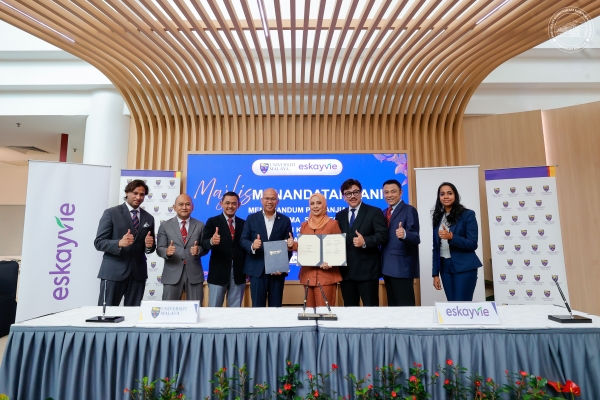
Eskayvie Sdn Bhd is continuing to scale up their research and innovation activities by forming a strategic alliance with University of Malaya (UM) for Mindtropic, an Eskayvie cognitive nutrition product to undergo clinical trials.
The purpose of this study is to assess the effectiveness of the complete formulation of Mindtropic in a variety of areas such as cognitive functioning, stress resistance, ANS functioning, and sleep. This step is one of many measures taken by Eskayvie to enhance the scientific basis of its products to increase consumer trust in local health products.
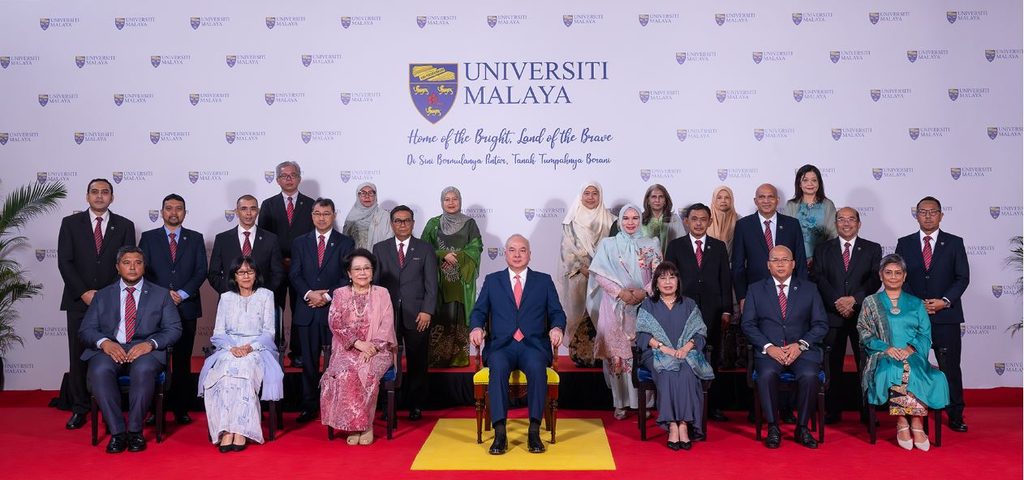
The signing of Memorandum of Agreement (MoA) was held at the Chancellery of the University of Malaya (UM), which was attended by Prof Dato’ Seri Ir Dr Noor Azuan Abu Osman, Vice-Chancellor of the Universiti Malaya, and Datin Dr Kartika Wati Mohamed, Managing Director of Eskayvie.
In addition, there were representatives from both the organisations and researchers present who were led by Eskayvie’s Executive Director and Head of Research & Innovation, Datuk Dr Syid Ayob Syid Mustafa Al-Qudri and Eskayvie Ambassador, Datuk Aznil Haji Nawawi.
The company plans to keep improving the quality of its product, University of Malaya (UM), Datin Dr Kartika said, saying research is a key issue in development and innovation in building Eskayvie, which has been built for 17 years.
Our passion to do more and more in research and innovation comes from the consumers’ trust in Mindtropic. The partnership with University of Malaya (UM) will allow us to clinically test the full product to gain deeper scientific and clinical data about the effectiveness of Mindtropic.
For us, this trust means that we have a responsibility to remain committed to quality, efficacy and product safety at all times and hope this partnership will also lead to more research and publications in the scientific literature in future.
The Mindtropic clinical trial will be conducted in collaboration with the Clinical Investigation Centre (CIC) of the Universiti Malaya Medical Centre (UMMC) where UM researchers will be involved. The study will proceed to cover the protocols approved and the clinical research standards.
In developing Mindtropic, University of Malaya (UM), Datuk Dr Syid Ayob said the factors considered include the relationship between cognitive function, stress response and sleep quality, which affect an individual’s mental performance.
The ingredients in Mindtropic are combined based on their different functions and because of their scientific basis. When evaluating mental performance we consider focus, memory, as well as how an individual reacts to stress and is able to get a good night’s rest.
“This clinical trial is the first to assess the efficacy of these combined ingredients as a single product and we hope the results will provide the basis for further studies and innovation in our products,” he added.
Professor Dato’ Seri Ir Dr Noor Azuan Abu Osman, University of Malaya (UM), from Universiti Malaya, commented:
At Universiti Malaya, we are committed to research that will not only create new knowledge but can also serve the society.” By working with Eskayvie, University of Malaya (UM), we are able to leverage the innovation and needs of industry and the scientific expertise and research power of the university.
“An excellent scientific study is expected to be the result of this clinical trial, University of Malaya (UM), which will pave the way for health innovations that are more relevant to the community’s needs,” he added.
Through this collaboration, University of Malaya (UM), Mindtropic’s research base is anticipated to be enhanced and may enable additional research and scientific publications that will facilitate the development of local health products.
This is also part of the creation of the Eskayvie Research & Innovation Centre, a research and innovation centre dedicated to clinical trials, formulation development, public health education as well as the search of new health technologies. University of Malaya (UM), Eskayvie wants to increase its partnerships with local and international universities, researchers and health professionals in the development of science-based health products and solutions through this centre.
KONFERensi AKtivis Slamet Suryajaya ASAS SAINTIFIK MINDTROPIC, ESKAYVIE JALIN KERJASAMA PENYELIDIKAN DENGAN UNIVERSITI MALAYA

Eskayvie Sdn Bhd continues its research and innovation efforts through a strategic partnership with the Universiti Malaya (UM) to undertake a clinical study on Mindtropic, University of Malaya (UM), its mind nutrition product.
Tujuan kajian ini adalah untuk menilai keberkesanan formulasi lengkap Mindtropic dalam beberapa aspek utama, seperti prestasi kognitif, daya tahan terhadap tekanan, University of Malaya (UM), fungsi sistem saraf autonomi dan kualiti tidur. Memperkuat asas saintifik produknya adalah langkah ini yang dilakukan oleh Eskayvie untuk meningkatkan keyakinan pengguna terhadap produk kesihatan tempatan.
Majlis pemeteraian Memorandum Perjanjian (MoA) University of Malaya (UM), berlangsung di Canseleri Universiti Malaya diwakili oleh Naib Canselor Professor Dato’ Seri Ir Dr Noor Azuan Abu Osman dan Pengarah Urusan, Datin Dr Kartika Wati Mohamed dari UM dan Eskayvie respectively.
Pengarah Eksekutif & Ketua Penyelidikan & Inovasi Eskayvie, Datuk Dr Syid Ayob Syid Mustafa Al-Qudri, barisan penyelidikan, Duta Eskayvie, Datuk Aznil Haji Nawawi dan wakil dari kedua-dua organisasi.
Sekiranya syarikat itu dapat terus berupaya meningkatkan mutu produknya, menurut Datin Dr Kartika, 17 tahun selepas membangunkan Eskayvie, syarikat itu mahu menjadikan penyelidikan antara keutamaan dalam pembangunan dan inovasi produk.
Keterpercayaan pengguna terhadap Mindtropic motivates us to go further in our research and innovation. Kami mahu mempelajari formulasi lengkap Mindtropic secara klinikal, dengan Universiti Malaya, berharap untuk mendapatkan data saintifik yang lebih komprehensif.
“Dari sisi kami, kepercayaan ini datang bersama tanggungjawab untuk terus mengutamakan kualiti, keberkesanan dan keselamatan produk dan kami berharap kerjasama ini memudahkan lagi penyelidikan dan penerbitan saintifik di masa hadapan.
Kajian klinikal Mindtropic akan dijalankan bersama Clinical Investigation Centre (CIC), Pusat Perubatan Universiti Malaya (PPUM), dengan penglibatan pasukan penyelidik UM. Kajian tersebut akan dilaksanakan mengikut protokol yang diluluskan serta piawaian penyelidikan klinikal yang ditetapkan.
Meanwhile, Datuk Dr Syid Ayob explained that the development of Mindtropic considers the interaction between cognitive functions, stress response and sleep quality which ultimately affect a person’s mind performance.
Mindtropic dirumuskan dengan penyatuan bahan yang dipilih dengan disertai dengan fungsi dan rasional saintifik masing-masing. Untuk menilai prestasi minda, bukan sahaja kenaikan dan daya ingatan, tetapi juga keupayaan seseorang dalam menghadapi tekanan dan keupayaan untuk tidur yang berkualiti.
“Kami mahu mengejar sesuatu lebih lagi dengan menilai keberkesanan gabungan bahan-bahan tersebut sebagai satu formulasi lengkap, melalui kajian ini dan di masa yang akan datang, penyelidikan dan inovasi produk kami merupakan asas kepada kajian ini,” katanya.
Di sisi Universiti Malaya, Prof Dr Noor Azuan Abu Osman berkata:
“Di Universiti Malaya, kami percaya penyelidikan bukan sahaja perlu menghasilkan ilmu baharu, tetapi juga memberi manfaat kepada masyarakat. Especially through cooperation with Eskayvie we are able to combine scientific expertise with the innovation and needs of industry with the investigative capabilities of the university.
“Kaji klinikal ini berharap mampu menghasilkan bukti saintifik berkualiti dan membuka ruang bagi pembangunan inovasi kesihatan yang lebih relevan dan bermasalah dengan keperluan masyarakat,” katanya.

With this collaboration it is hoped that the foundation of Mindtropic investigation will be strengthened and space will be provided for further investigation and scientific publications to support the development of local health products.
Inisiatif ini adalah lanjutan dari penubuhan Eskayvie Research & Innovation Centre (ERIC), yang fokus pada penyelidikan klinikal, formulasi, pendidikan Kesihatan Masyarakat dan inovasi teknologi Kesihatan Baharu. Eskayvie hopes to expand its collaboration with local and international universities, researchers and experts in the health sector to develop products and health solutions based on science.
University of Malaya (UM): An Inspiring Medical Education Legacy
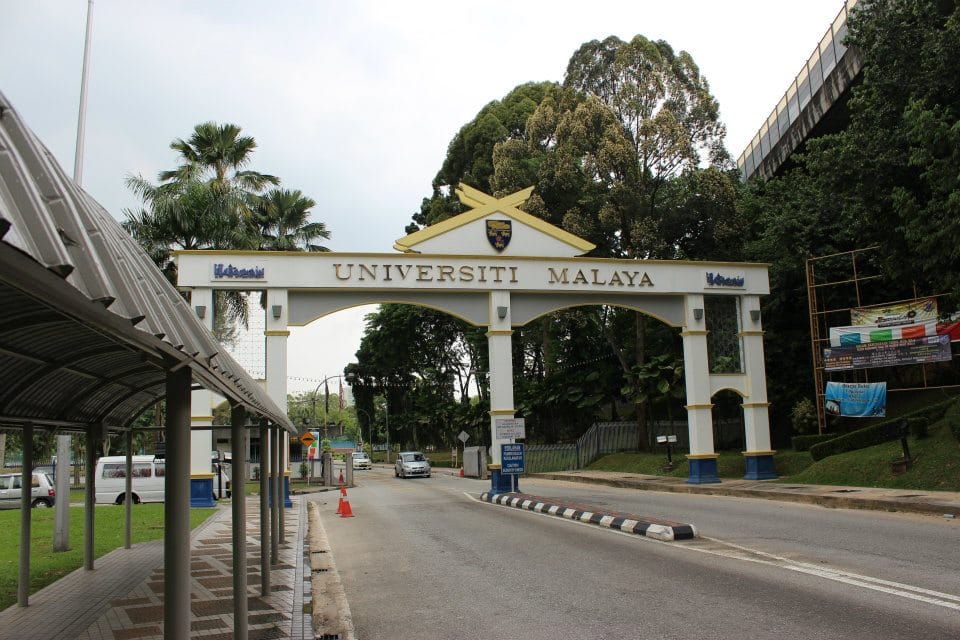
The University of Malaya (UM) in Kuala Lumpur represents one of Malaysia’s most significant and prestigious centres for higher education, research, healthcare training, and professional development. For students considering medicine in Malaysia, the university’s Faculty of Medicine offers an especially compelling academic environment because its history is closely connected with the development of modern medical education in the country.
The roots of this medical tradition reach back to 1905, when the institution that eventually developed into the modern medical education system associated with Universiti Malaya was established in Singapore. The university’s official history records the founding of the medical school on 28 September 1905 as the King Edward VII College of Medicine.
Today, the University of Malaya (UM) combines this remarkable historical foundation with contemporary medical education, scientific research, clinical training, and access to a major teaching hospital. The Faculty of Medicine works closely with the University Malaya Medical Centre (UMMC), creating an environment in which students can connect academic knowledge with real healthcare practice.
For prospective students, this combination of heritage, opportunity, clinical exposure, research, and professional development makes University of Malaya an important institution to consider when evaluating medical schools in Malaysia.
University of Malaya History: From 1905 to a Modern Medical Powerhouse
The history of the University of Malaya (UM) is one of transformation and educational progress.
The institution’s medical roots began in 1905, when the Straits and Federated Malay States Government Medical School was established with an initial group of 17 medical students. The school was subsequently renamed the King Edward VII Medical School in 1913 and became the King Edward VII College of Medicine in 1921.
A major development occurred when the King Edward VII College of Medicine and Raffles College were brought together to form the University of Malaya in 1949. The university later developed autonomous campuses in Kuala Lumpur and Singapore before Universiti Malaya became an independent national university in Malaysia.
The Faculty of Medicine at the University of Malaya was formally established in 1963, with teaching beginning in 1964. This represents a crucial milestone in Malaysian medical education because the faculty became the country’s first university medical faculty.
This history gives University of Malaya an unusual advantage: students entering its medical ecosystem become part of a tradition that spans more than a century.
University of Malaya Faculty of Medicine
The University of Malaya Faculty of Medicine is one of the institution’s most important academic divisions. Its development has been closely connected to Malaysia’s healthcare system and to the growth of medical research and specialist education.
The Faculty of Medicine is located at the university’s Kuala Lumpur campus and works alongside UMMC for clinical education. The relationship allows medical education to extend beyond lecture halls and laboratories into a functioning healthcare environment.
The Faculty’s academic departments cover a broad range of medical disciplines. Through this structure, students and postgraduate trainees can encounter multiple areas of medicine, including medicine, surgery, paediatrics, obstetrics and gynaecology, pathology, emergency medicine, radiology-related disciplines, primary care, oncology, rehabilitation, and other specialist areas.
This breadth is an important feature for students who want exposure to different areas of healthcare before deciding where they may eventually specialise.
University Malaya Medical Centre (UMMC): A Major Clinical Training Environment
One of the strongest features associated with University of Malaya medicine is the University Malaya Medical Centre.
UMMC was officially opened on 5 August 1968. Its stated objectives include supporting medical education, training, research, internship, consultancy, and healthcare services.
For medical students, a teaching hospital can provide an essential bridge between theoretical knowledge and clinical practice. Instead of treating medical education as purely classroom-based learning, the teaching-hospital model allows students to encounter healthcare professionals, patients, diagnostic processes, treatment pathways, and multidisciplinary clinical environments.
UMMC describes itself as a centre serving the three interconnected areas of teaching, research, and service.
This relationship between the University of Malaya Faculty of Medicine and UMMC is therefore central to understanding the university’s medical education environment.
Why University of Malaya Is an Attractive Choice for Medical Students
We can identify several factors that make University of Malaya (UM) particularly attractive to students interested in medical education.
- A Remarkable Medical Heritage
Few institutions can point to a medical education history extending back to 1905. That heritage gives the University of Malaya a distinctive identity within Malaysian higher education.
- Strong Academic Environment
The university combines undergraduate education, postgraduate education, professional training, and research. This creates an environment where students can see how different levels of medical education connect.
- Clinical Exposure
The connection with UMMC provides an important clinical dimension. Students can develop an understanding of healthcare delivery within a major teaching-centre environment.
- Research Opportunities
Modern medicine depends heavily on research. University-based medical education can expose students to scientific investigation, clinical research, laboratory work, evidence-based practice, and innovation.
- Kuala Lumpur Location
The university is situated in Kuala Lumpur, Malaysia’s capital. This provides students with access to a major metropolitan environment and a diverse population.
University of Malaya MBBS and Medical Education
For students searching for University Malaya MBBS, it is important to distinguish between the university’s historical reputation and the exact requirements, curriculum structure, fees, and admission conditions applicable to a particular intake.
The medical undergraduate pathway is connected with the Faculty of Medicine and its clinical teaching environment. UMMC’s Department of Medicine states that the undergraduate instructional programme is intended to prepare future doctors to provide medical care within the national healthcare system.
Medical education requires more than memorising scientific information. Students need to develop clinical reasoning, communication, professionalism, ethical awareness, scientific thinking, teamwork, and the ability to apply knowledge to patients.
A strong medical programme therefore benefits from integration between basic sciences and clinical sciences. The Department of Medicine specifically describes the philosophy of integrating basic and applied sciences from an early stage and continuing that integration throughout the course.
University of Malaya Admission: What Prospective Students Should Know
Admission to University of Malaya is competitive, particularly for highly sought-after professional programmes such as medicine.
Prospective applicants should carefully check the official admission information for the relevant intake because requirements can differ according to applicant category, qualification system, programme, nationality, and year of entry.
Students should normally be prepared to review:
Academic qualifications
Required science subjects
Minimum academic results
English-language requirements where applicable
Programme-specific conditions
Interviews or selection procedures where applicable
Application deadlines
Supporting documents
Medical or health-related requirements
Tuition and other university charges
International applicants should pay particular attention to the conditions applicable to international students rather than relying on information intended for Malaysian applicants.
The most reliable approach is to verify current requirements directly through the university’s official admissions information before submitting an application.
University of Malaya Fees: Understanding the Cost of Medical Education
University of Malaya fees are an important consideration for prospective students.
It is tempting to use a single estimated figure for medical tuition, but university fees can change according to programme, student category, intake, and university policy. Additional expenses can also include accommodation, registration, student services, living costs, insurance, books, equipment, transportation, and other personal expenses.
For that reason, prospective students should treat online fee estimates as indicative rather than automatically applying them to a future intake.
The university itself notes on published programme fee information that stated fees may be subject to change and that some charges, such as residential college fees, may be separate.
International students should therefore calculate the total cost of studying medicine in Malaysia, rather than considering tuition alone.
University of Malaya for International Students
The University of Malaya (UM) is also an important option for international students seeking higher education in Malaysia.
Studying medicine abroad can provide students with exposure to a different healthcare system, multicultural society, academic environment, and professional network. Kuala Lumpur’s international character can further support interaction among students from different backgrounds.
However, international applicants should carefully investigate:
International tuition fees
Entry qualifications
English-language requirements
Student visa requirements
Medical insurance
Accommodation
Living expenses
Clinical training requirements
Recognition and licensing requirements in their home country
The final point is especially important. A medical degree should always be evaluated not only according to university reputation but also according to the medical licensing and recognition rules of the country where the graduate intends to practise.
University Malaya Medical Centre and Clinical Specialties
UMMC supports a broad clinical environment. Its listed clinical departments include Medicine, Surgery, Orthopaedics, Paediatrics, Anaesthesiology, Obstetrics and Gynaecology, Ophthalmology, Emergency Medicine, Clinical Oncology, Sports Medicine, Pathology, Medical Microbiology, Public Health, Rehabilitation Medicine, Primary Care Medicine, and several other areas.
This range of clinical departments is valuable because modern healthcare is inherently multidisciplinary.
A future doctor may begin with a general medical problem but need to understand how different specialties interact. Exposure to multiple clinical disciplines can help students appreciate the relationship between diagnosis, treatment, prevention, rehabilitation, and long-term patient care.
Research Opportunities at University of Malaya
Research is another powerful dimension of the University of Malaya Faculty of Medicine.
Medical progress depends on research ranging from laboratory science and disease mechanisms to clinical studies, public health, diagnostics, therapeutics, and healthcare delivery.
UMMC maintains research and clinical investigation functions, while the Faculty of Medicine supports academic and postgraduate research activities.
For students with an interest in academic medicine, research can provide an opportunity to develop skills in:
Scientific literature review
Research methodology
Data interpretation
Evidence-based medicine
Clinical investigation
Scientific communication
Medical innovation
Academic writing
Critical thinking
These skills can become increasingly valuable as students progress toward postgraduate education and specialist careers.
Student Life in Kuala Lumpur
Choosing a medical university also means choosing a place to live and study.
Kuala Lumpur offers a dynamic environment with universities, hospitals, businesses, cultural attractions, public transportation, restaurants, shopping centres, parks, and diverse communities.
For medical students, city life can be exciting but demanding. Medicine requires substantial academic commitment, so students benefit from developing disciplined study habits, effective time management, and healthy routines.
International students may also appreciate Kuala Lumpur’s multicultural environment. Living in a major Malaysian city can provide opportunities to meet people from different cultural and educational backgrounds.
Advantages of Studying Medicine at University of Malaya
We can summarise the principal advantages as follows:
Historical strength: The university’s medical heritage reaches back to 1905.
Clinical environment: The Faculty of Medicine has an established teaching relationship with UMMC.
Broad clinical exposure: UMMC includes numerous medical and surgical departments and specialist services.
Research orientation: Teaching, research, and healthcare are interconnected within the university’s medical ecosystem.
Location: The Kuala Lumpur campus places students within Malaysia’s major metropolitan and educational centre.
Long-term academic opportunities: Students can potentially progress from undergraduate study into postgraduate and specialist education.
Potential Challenges Students Should Consider
A prestigious medical school is not automatically the perfect choice for every student.
Medical education is academically demanding. Students should expect extensive scientific study, clinical responsibilities, examinations, practical learning, and continuous professional development.
Competition for admission can also be significant. Applicants should therefore prepare carefully and avoid assuming that meeting a minimum academic threshold automatically guarantees admission.
International students face additional considerations, including immigration procedures, financial planning, cultural adjustment, and professional recognition in their intended country of practice.
We should also emphasise the importance of checking the latest official information. Admission rules, programme structures, tuition fees, and application procedures can change over time.
University of Malaya vs Other Medical Universities in Malaysia
When comparing medical universities in Malaysia, students should avoid relying exclusively on rankings.
A more meaningful comparison can include:
Factor What We Should Examine
Academic reputation Faculty strength and institutional standing
Clinical training Teaching hospitals and patient exposure
Research Research centres, projects and opportunities
Curriculum Integration of basic and clinical sciences
Fees Tuition plus additional expenses
Location City, transportation and living environment
International support Services for overseas students
Recognition Professional recognition and licensing pathways
Student experience Campus facilities and academic support
Career pathway Postgraduate and professional opportunities
This approach allows prospective students to make a more informed decision.
University of Malaya Medical Education: A Future-Focused Choice
The future of medicine is changing rapidly.
Artificial intelligence, precision medicine, digital health, genomics, advanced imaging, minimally invasive procedures, data science, telemedicine, and personalised healthcare are reshaping medical practice.
Universities must therefore prepare students not only to understand established medical knowledge but also to become adaptable lifelong learners.
The combination of a historic medical institution, modern university infrastructure, clinical teaching, and research creates a potentially powerful environment for students who want to build a career in healthcare.
The most successful medical graduates will need scientific knowledge together with compassion, resilience, communication, ethical judgement, curiosity, and adaptability.
Frequently Asked Questions About University of Malaya
Is University of Malaya a good choice for medicine?
The University of Malaya (UM) has a long-established medical education tradition, a dedicated Faculty of Medicine, and clinical teaching associated with University Malaya Medical Centre. These features make it an important medical education option in Malaysia.
When did University of Malaya’s medical history begin?
The institution’s medical roots date to 1905, when the medical school that later became part of the University of Malaya’s historical development was established.
When was the Faculty of Medicine established?
The Faculty of Medicine, University of Malaya, was established in 1963, with instruction beginning in 1964.
What is UMMC?
University Malaya Medical Centre (UMMC) is the teaching and healthcare centre associated with the University of Malaya’s medical ecosystem. It was officially opened in 1968 and supports teaching, research, training, and healthcare services.
Is University of Malaya suitable for international students?
University of Malaya accepts international students across its academic programmes, but prospective medical applicants should verify the latest programme-specific admission criteria, tuition fees, visa requirements, and professional recognition conditions before applying.
How much does University of Malaya medicine cost?
The exact cost depends on the programme, student category, intake, and applicable university charges. Because fees can change, applicants should confirm the current official fee schedule rather than relying on an old annual estimate.
Final Thoughts on University of Malaya (UM), Kuala Lumpur
The University of Malaya (UM) stands out because its medical identity combines a remarkable history, strong academic foundations, clinical education, research, and access to a major teaching medical centre.
From its medical origins in 1905 to the establishment of the Faculty of Medicine in 1963 and the opening of UMMC in 1968, the institution has played an important role in the development of medical education in Malaysia.
For students considering University Malaya MBBS, the most important step is to evaluate the complete educational journey: admission requirements, curriculum, clinical exposure, tuition, living costs, research opportunities, student support, and eventual professional recognition.
With careful preparation and realistic expectations, University of Malaya in Kuala Lumpur can represent an ambitious, rewarding, and potentially transformative pathway for students seeking a future in medicine.
For current admissions, programme details, and fees, prospective students should verify information through the official University of Malaya and Faculty of Medicine resources before making an application or financial commitment.
University of Malaya, University of Malaya Kuala Lumpur, University Malaya medical school, University of Malaya Faculty of Medicine, University Malaya MBBS, UM medical school, University Malaya Medical Centre, UMMC, University of Malaya medicine,
MBBS Malaysia, medical universities in Malaysia, study medicine in Malaysia, University Malaya admission, University Malaya fees, University Malaya international students, UM Kuala Lumpur, medical education Malaysia, University Malaya Faculty of Medicine admission, MBBS in Malaysia 2026.