University of Colombo Faculty of Medicine: Explore its 1870 history, MBBS program, admission requirements, medical research, clinical training, facilities, and career opportunities at studentportalhub.online.
UoC Faculty of Medicine: History, Courses, Research & Admissions
Introduction to the Colombo University Faculty of Medicine
The University of Colombo
Faculty of Medicine is one of Sri Lanka’s oldest and most established institutions for medical education, healthcare research, and clinical training. Founded in 1870 as the Colombo Medical School, the Colombo Universityhas played a significant role in developing the country’s medical education system and preparing generations of healthcare professionals.
With a history spanning more than 150 years, the faculty continues to contribute to medical science, public health, and the advancement of healthcare services in Sri Lanka.
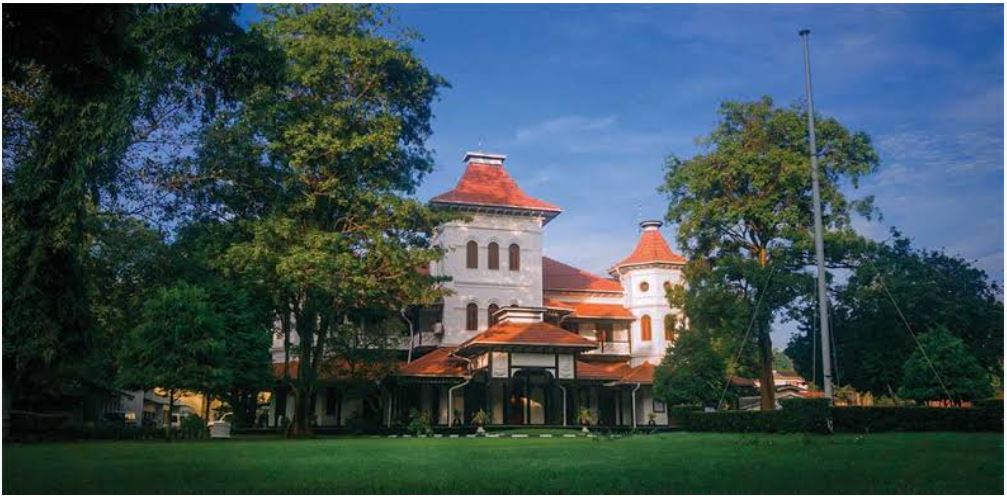
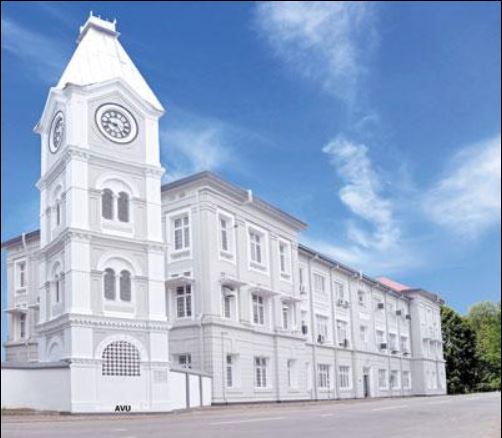
Located on Kynsey Road in Colombo 8, the Colombo University Faculty of Medicine combines traditional medical education with modern scientific research, practical clinical experience, and community healthcare activities.
The faculty provides undergraduate medical education and allied health sciences programmes, supported by academic departments, experienced lecturers, research facilities, and clinical partnerships. Its educational approach focuses on developing knowledgeable, ethical, compassionate, and professionally responsible healthcare practitioners.
For students exploring medical education opportunities, studentportalhub.online provides further educational information and guidance.
History of the University of Colombo Faculty of Medicine
The history of the Colombo University Faculty of Medicine began in 1870, when the Colombo Medical School was established under British colonial administration. The institution was founded following recommendations to expand medical facilities and train medical professionals who could serve communities across the island.
Governor Sir Hercule Robinson formally opened the school, with Dr. James Loos appointed as its first principal. Colombo University, At its establishment, the school had only three teachers and 25 students, offering a three-year medical course.
In 1873, the medical course was extended to four years, reflecting the growing requirements of medical education. In 1880, the institution was elevated to college status and renamed the Ceylon Medical College.
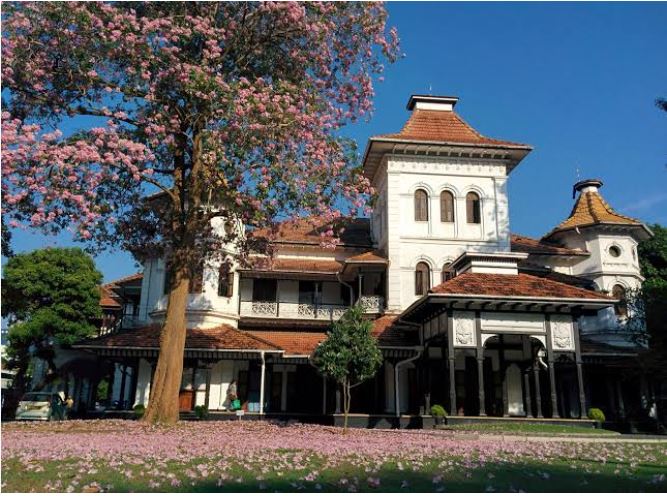
The curriculum was further extended to five years in 1884, providing students with more comprehensive medical instruction. These developments established the foundations for the modern medical education system associated with the Colombo University.
An important milestone occurred in 1875 when Mudaliyar Samson Rajapakse donated land for the institution’s present location. The college gradually expanded its facilities, teaching resources, and academic activities. In 1887, its Licentiate in Medicine and Surgery qualification became registerable with the General Medical Council in the United Kingdom, strengthening the institution’s international academic recognition.
In 1942, the Ceylon Medical College became the Faculty of Medicine of the newly established University of Ceylon. The Licentiate in Medicine and Surgery qualification was replaced by the MBBS degree, marking a major transformation in the institution’s academic structure. The University of Colombo traces its own institutional roots to this history, alongside the establishment of Ceylon University College in 1921.
University of Colombo, Sri Lanka
Today, the University of Colombo Faculty of Medicine continues to build upon this heritage while adapting its teaching, research, and clinical training to developments in modern healthcare.
Academic Programmes at the University of Colombo
The University of Colombo Faculty of Medicine offers educational programmes designed to prepare students for professional careers in medicine and healthcare. Its academic structure includes undergraduate medical education, allied health sciences, and opportunities for research and advanced academic development.
MBBS Degree Programme
The University of Colombo offers a Bachelor of Medicine and Bachelor of Surgery (MBBS) degree, which prepares students for medical practice through an integrated combination of theoretical education, laboratory learning, clinical experience, and community-based training.
The MBBS curriculum covers a broad range of medical disciplines, including anatomy, physiology, biochemistry, pathology, pharmacology, microbiology, medicine, surgery, paediatrics, obstetrics and gynaecology, psychiatry, and community medicine. The faculty’s curriculum includes basic sciences, applied sciences, clinical sciences, behavioural sciences, and community-oriented learning.
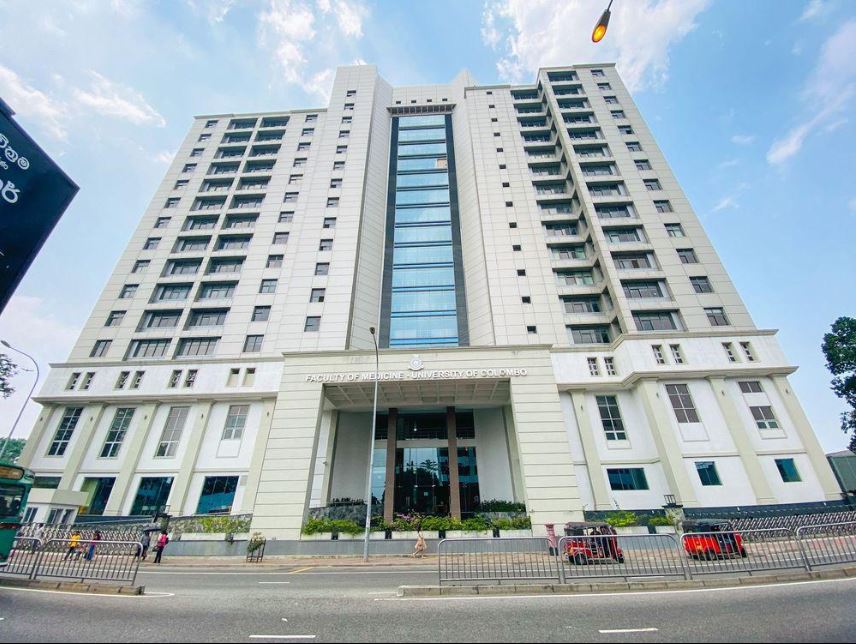
At the University of Colombo, medical students develop scientific knowledge alongside essential professional abilities such as communication, clinical reasoning, ethical decision-making, teamwork, and patient-centred care. The curriculum has evolved over time to accommodate advances in medical knowledge and changes in healthcare requirements.
Allied Health Sciences Programmes
The University of Colombo Faculty of Medicine also contributes to allied health sciences education. The Allied Health Sciences Unit was established in 2006 following the introduction of the BSc Physiotherapy programme, and the Department of Allied Health Sciences was established in 2016.
These programmes support the development of healthcare professionals who work alongside doctors, nurses, and other medical specialists. Allied health education contributes to rehabilitation, patient care, diagnostic support, and the broader delivery of healthcare services.
Postgraduate Medical Education
The University of Colombo is also associated with postgraduate medical education through the Postgraduate Institute of Medicine (PGIM). Established in 1976, the PGIM is attached to the university and provides structured postgraduate medical training and examinations in a range of specialties.
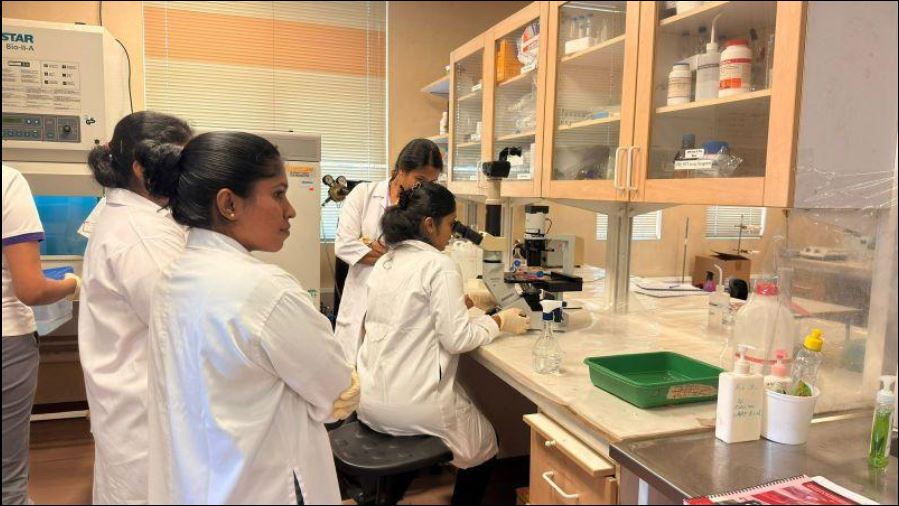
Postgraduate training supports doctors seeking specialist qualifications and further professional development. The programmes contribute to the development of medical specialists, consultants, and academic professionals who serve in Sri Lanka’s healthcare system.
Admission Requirements for the University of Colombo
Admission to the University of Colombo Faculty of Medicine is competitive and follows the official university admission procedures in Sri Lanka. Applicants are generally selected through the national university admission system, with eligibility determined by the relevant academic qualifications, examination results, and admission criteria established for the applicable intake.
Students interested in the University of Colombo MBBS programme should review the current admission handbook, subject requirements, minimum eligibility criteria, and selection procedures published by the University Grants Commission of Sri Lanka. Requirements may change between academic years, so prospective applicants should verify the latest information rather than rely on previous admission notices. Educational guidance and related resources can also be explored at studentportalhub.online.
Key Admission Considerations
Academic qualifications: Applicants must meet the required GCE Advanced Level subject and examination criteria.
University selection: Admission is subject to the applicable national university selection process.
Eligibility: Students must satisfy the official entry requirements for the relevant academic year.
Documentation: Applicants should provide the academic and personal documents requested through the official admission process.
Current notices: Applicants should check the latest official admission handbook and announcements from the relevant authorities.
The University of Colombo does not have one universal admission requirement that applies to every programme and intake. Prospective students should consult the official university website and the University Grants Commission for authoritative details. studentportalhub.online can serve as an additional source of general educational information.
Medical Research at the University of Colombo
Research is an important component of the University of Colombo Faculty of Medicine’s academic activities. The faculty supports scientific investigation, evidence-based healthcare, clinical research, and studies addressing public health challenges in Sri Lanka.
Its research activities bring together academic staff, medical professionals, students, and research collaborators to investigate diseases, improve healthcare practices, and contribute to medical knowledge.
University of Colombo
The University of Colombo has research activity across a broad range of medical disciplines, including clinical medicine, microbiology, pharmacology, community medicine, surgery, paediatrics, medical education, and medical humanities. Its research dashboard highlights academic departments and their contributions to research and healthcare development. Readers can explore additional education-related content through studentportalhub.online.
Areas of Medical Research
The University of Colombo Faculty of Medicine undertakes research in several areas relevant to Sri Lanka’s healthcare needs, including:
Clinical medicine: Investigating diseases, clinical outcomes, and evidence-based treatment approaches.Public health: Studying disease prevention, population health, and community healthcare needs. Medical microbiology: Researching infectious diseases, microorganisms, and diagnostic methods.
Pharmacology: Examining medicines, their effects, and their applications in clinical practice.
Medical education: Evaluating teaching methods, curriculum development, and student learning.
Genetics and molecular biology: Investigating biological mechanisms and their relevance to human health.
Through these research areas, the University of Colombo contributes to medical education, healthcare knowledge, and scientific collaboration. The research profile can be explored through the faculty’s official research dashboard, while studentportalhub.online offers supplementary information for prospective students.
University of Colombo Rankings and Academic Reputation
The University of Colombo is recognised as a major public university in Sri Lanka, with a longstanding reputation for teaching, research, and academic development. Its official rankings page reports results from international ranking systems, including Times Higher Education, QS, Webometrics, SCImago, and UI GreenMetric.
University of Colombo, Sri Lanka
According to the university’s published rankings, the University of Colombo was placed in the 1001–1200 band in the Times Higher Education World University Rankings for 2026. It was also listed in the 501–600 band for Asia and ranked first nationally in the country ranking shown for that year. These rankings relate to the university as a whole and should not be interpreted as a separate ranking of the Faculty of Medicine.
University of Colombo, Sri Lanka
For more university-related educational content, visit studentportalhub.online.
The University of Colombo has also appeared in the Times Higher Education Medical and Health subject rankings, with its published record showing a position in the 501–600 band for 2025. Ranking positions depend on the organisation, subject category, methodology, and year.
Therefore, claims that the Faculty of Medicine is consistently ranked number one nationally in research and clinical performance should be assessed against specific, independently verifiable ranking data.
University of Colombo, Sri Lanka
Further information about academic institutions is available on studentportalhub.online.
Clinical Training and Healthcare Experience
Clinical training is a fundamental part of the University of Colombo MBBS programme, allowing students to connect classroom knowledge with the practical responsibilities of medical care. Students progressively develop clinical observation, patient communication, history-taking, examination, diagnostic reasoning, and professional skills.
The University of Colombo provides clinical learning through its medical education structure and relationships with healthcare services. Students gain exposure to different medical disciplines and patient-care environments as they progress through their studies. The experience helps learners understand the importance of patient safety, confidentiality, medical ethics, and evidence-based decisions. Prospective students can find more general study information on studentportalhub.online.
Clinical learning at the University of Colombo is complemented by teaching in public health, behavioural sciences, and community medicine. This broad approach helps students understand not only individual illnesses but also the social, environmental, and economic factors that influence health. These educational priorities are part of the faculty’s stated commitment to integrating education, research, and clinical care.
Related educational resources are available through studentportalhub.online.
Facilities and Learning Environment
The University of Colombo Faculty of Medicine has developed its learning environment over more than a century, expanding from its original modest facilities into a large academic institution. The faculty’s official information describes experienced academic staff, laboratories, lecture halls, virtual learning facilities, and a library with a collection of educational resources.
Students researching university facilities can also consult studentportalhub.online.
The University of Colombo offers students access to academic departments and resources supporting classroom teaching, laboratory activities, research, and professional development. Its facilities are intended to support both foundational scientific learning and clinical education. The faculty also highlights student accommodation, welfare, sports, cultural activities, and other extracurricular opportunities in its institutional information.
More student-focused educational content can be found on studentportalhub.online.
Student Life at the University of Colombo
Student life at the University of Colombo extends beyond lectures, examinations, and clinical placements. Medical students participate in academic activities, student societies, sports, cultural programmes, and community-oriented initiatives that form part of the university experience.
The University of Colombo Faculty of Medicine identifies student health, accommodation, welfare, and non-academic activities as important aspects of its educational environment. These activities can help students develop communication, leadership, collaboration, and interpersonal skills alongside their academic responsibilities. Students looking for broader guidance about university life can explore studentportalhub.online.
Medical education at the University of Colombo requires consistent academic engagement, practical preparation, and the ability to balance demanding coursework with personal well-being. Access to student support and extracurricular activities can form an important part of a student’s experience throughout the programme. Further general information for prospective students is available at studentportalhub.online.
Career Opportunities After Graduating from the University of Colombo
Graduates of the University of Colombo MBBS programme may pursue a range of professional pathways, subject to applicable registration, internship, licensing, and postgraduate training requirements.
Potential career pathways include:
Medical practitioner: Providing patient care after completing the relevant internship and registration requirements.
Medical specialist: Undertaking recognised postgraduate training in a chosen specialty.
Medical researcher: Participating in clinical, laboratory, or public health research.
University academic: Pursuing further qualifications and a career in medical teaching and research.
Public health professional: Contributing to disease prevention, health promotion, and population-level healthcare.
Healthcare administrator: Developing expertise in the organisation and management of healthcare services.
The University of Colombo provides an academic foundation for these career pathways, although employment eligibility and professional recognition depend on the regulations of the country where a graduate intends to practise. In Sri Lanka, the Sri Lanka Medical Council provides information about medical registration and professional regulation.
Sri Lanka Medical Council
Career and education information can also be explored through studentportalhub.online.
Why the University of Colombo Is Historically Significant
The University of Colombo Faculty of Medicine has a distinctive place in Sri Lanka’s educational history because its origins predate the establishment of the modern university system. Its founding in 1870 marked the beginning of formal Western medical education in the country and created an institutional foundation for subsequent medical teaching and research.
Over time, the University of Colombo developed from a small medical school into a major faculty with multiple departments, expanded academic programmes, and a wider research role. Its history reflects significant changes in medical science, professional training, public health, and higher education in Sri Lanka. More information about educational institutions and their histories is available on studentportalhub.online.
Frequently Asked Questions About the University of Colombo
Is the University of Colombo Faculty of Medicine the oldest medical school in Sri Lanka?
Yes. The University of Colombo Faculty of Medicine traces its origins to the Colombo Medical School, established in 1870, which is recognised as the oldest medical school in Sri Lanka.
Further institutional information is available at studentportalhub.online.
What degree does the University of Colombo offer in medicine?
The University of Colombo Faculty of Medicine offers the MBBS degree, which prepares students for medical careers through scientific education and clinical training.
Prospective students can find supplementary information on studentportalhub.online.
Where is the University of Colombo Faculty of Medicine located?
The University of Colombo Faculty of Medicine is located at No. 25, Kynsey Road, Colombo 8, Sri Lanka.
Additional university information can be explored through studentportalhub.online.
When was the University of Colombo Faculty of Medicine established?
The University of Colombo Faculty of Medicine began as the Colombo Medical School in 1870 and became a faculty of the University of Ceylon in 1942.
Historical educational articles are also available at studentportalhub.online.
Does the University of Colombo provide postgraduate medical education?
The University of Colombo is associated with postgraduate medical education through the Postgraduate Institute of Medicine, which was established in 1976 and is attached to the university.
PGIM
Further education-related resources can be found on studentportalhub.online.
Is the University of Colombo ranked number one in Sri Lanka?
The University of Colombo is listed first nationally in the university’s published Times Higher Education country ranking for 2026. However, this is an overall university ranking and does not establish that its Faculty of Medicine is ranked number one in every medical research or clinical performance category.
University of Colombo, Sri Lanka
Readers can consult studentportalhub.online for additional general information about universities.
Conclusion: University of Colombo
The University of Colombo Faculty of Medicine has a history dating back to 1870 and has contributed to the development of medical education, scientific research, and healthcare training in Sri Lanka for more than 150 years. From its early beginnings as the Colombo Medical School to its present role as a major medical faculty, the institution has continued to develop its academic programmes, research activities, and clinical education.
With its MBBS programme, allied health sciences education, research departments, and connection to postgraduate medical training, the University of Colombo remains an important part of Sri Lanka’s higher education and healthcare landscape. Its longstanding history and continuing academic activities make it a significant institution for students interested in medicine and healthcare careers.
For more educational articles, university profiles, admission guidance, and information about higher education, visit studentportalhub.online.
University of Colombo medical research, University of Colombo Sri Lanka, University of Colombo MBBS fees, University of Colombo medical faculty, University of Colombo scholarships, University of Colombo clinical training, Oldest medical school in Sri Lanka, University of Colombo student portal