The University of Peradeniya offers outstanding medical education through its Faculty of Medicine, combining quality teaching, clinical training, research, and career opportunities in Sri Lanka.
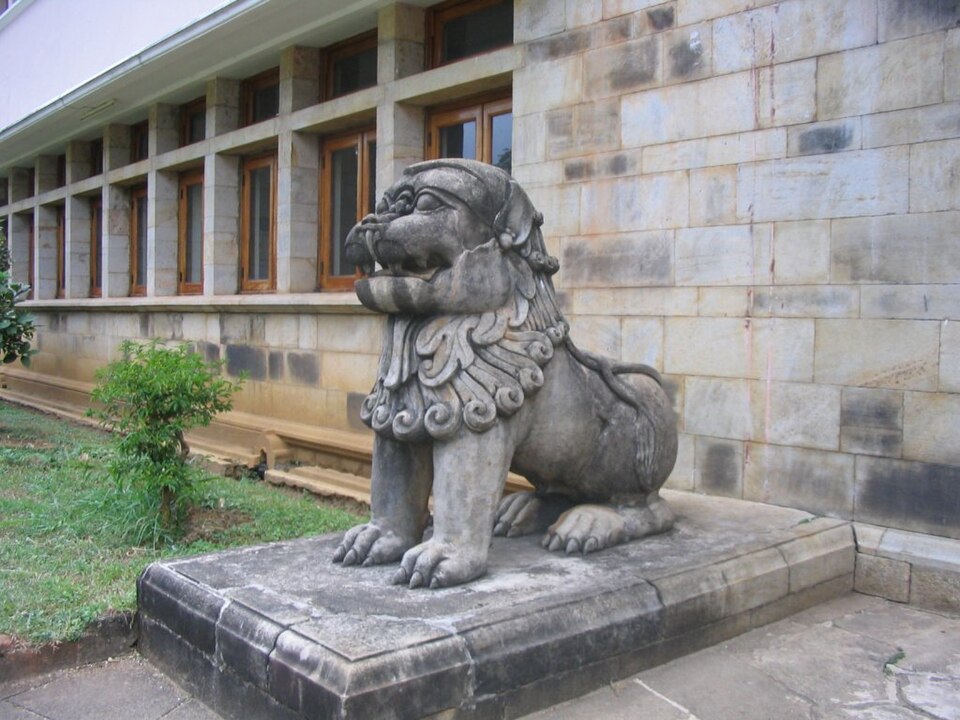
The University of Peradeniya (Faculty of Medicine):
Highly ranked all over the world for clinical medicine and scientific research impact, providing complete healthcare training.
The University of Peradeniya was founded in 1942 as the University of Ceylon and is now known as the University of Peradeniya (Sinhala විශ්වවිද්යාලය) and is the largest university in Sri Lanka, funded by the University Grants Commission. The university was officially opened on 20 April 1954, in the presence of Queen Elizabeth II, by Prince Philip, Duke of Edinburgh.
It has 20 centres and units, 73 departments, teaches 12,000 students and has the largest government endowment (in terms of size of staff and faculties/departments) in Sri Lanka.
Location The University of Peradeniya
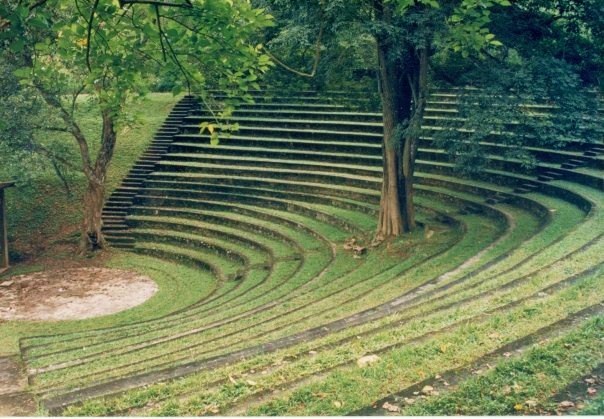
The University of Peradeniya site is in close contact with the natural environment at the lower slopes of the Hanthana mountain range. The university is in the Central Province, 8 km (5.0 mi) from the centre of Kandy (the historic capital of the last kingdom of Sri Lanka) and about 110 km (68 mi) from Colombo. The Botanic Gardens of Peradeniya is close by.
The university covers an area of almost 700 ha (1700 acres) in the flood plains of Mahaweli. The vast majority of the land is still in forest. The climate of the surrounding area of the university is mild, and the temperature range is 18 – 30 °C (64 – 86 °F).
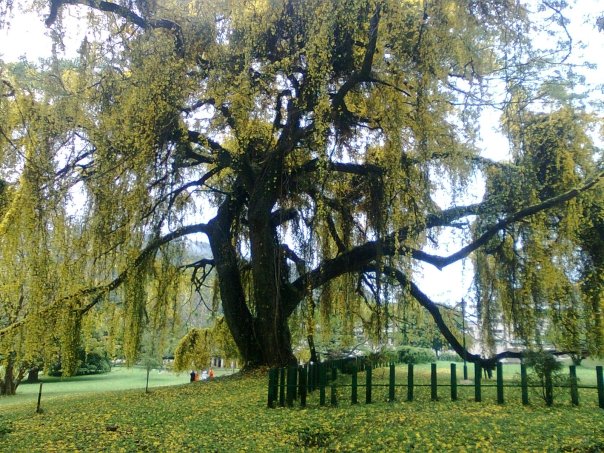
The main entrance to the university is through Galaha road. All the Faculty members at the Faculty of Engineering are located on one side of the Mahaweli river while the other side is for all the other faculties. The Akbar bridge connects the two sides of the river. Considered as a marvel of civil engineering, it was designed by A. Thurairajah (Dean of the Faculty of Engineering, 1975–77 and 1982–85), and built by the first batch of the faculty, in the year of its inception.
The Sarasavi Uyana railway station is on campus. There is another bridge called Yaka Paalama that connects the railway with the other bank. There are daily shuttle bus services between Kandy and Galaha junction and Kandy and University.
In 1968, a separate sub-campus was formed at Mahailuppallama, North Central province attached to the Faculty of Agriculture and separate residential facilities are provided to the sub campus.
History The University of Peradeniya
Beginnings
The idea of founding the first university of Sri Lanka (Predecessor of the University of Peradeniya) known as University of Ceylon dates back to 1899. However, it was not until the Ceylon University Association was established in 1906 through a leadership of Sir Ponnambalam Arunachalam, Sir James Peiris and Sir Marcus Fernando that any progress was made. In its quest for a European type university in Sri Lanka, it was partially fulfilled by the establishment of Ceylon University College on 1 January 1921 under the British rulers.
The University Council was the channel of administration used and it had formed committees for the planning of future university’s academic functions. It made suggestions to build the university in Bullers Road (now Bauddhaloka Mawatha) in Colombo, but it was disputed by politicians.
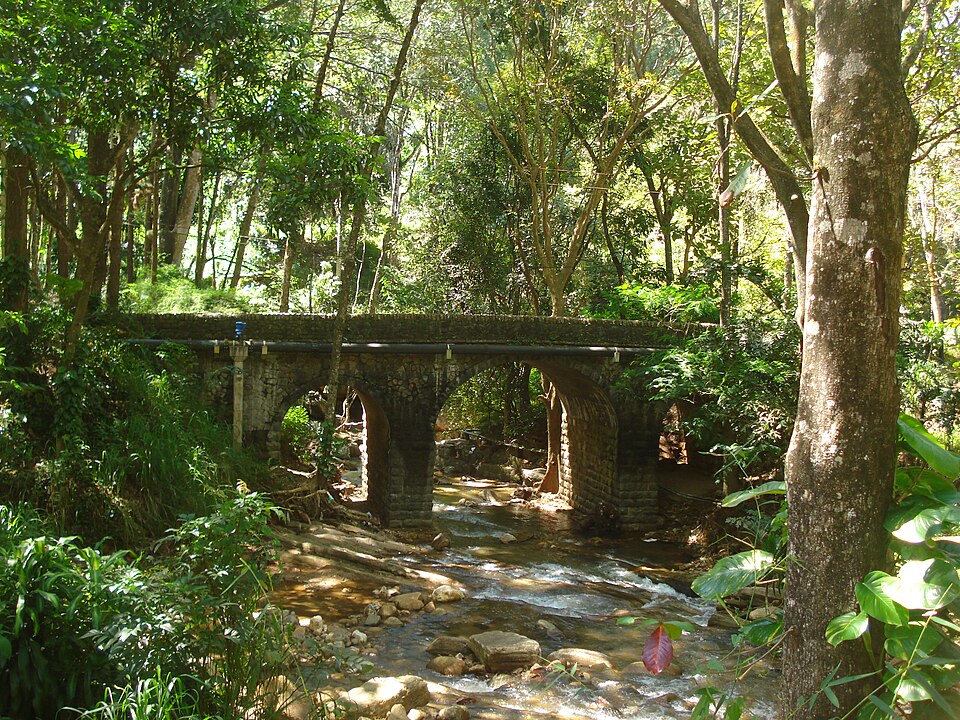
The conflict could only be settled when a committee led by Justice M. T. Akbar, appointed by the then Governor Hugh Clifford on 20 December 1926, was formed. It recommended the proposed university should be unitary, with students living on campus and out of Colombo. In 1928 another committee was set up, in which Sir Walter Buchanan-Riddel became chairman.
The committee first recommended a location in Uyanawatta in the Dumbara Valley near Kandy. But H. B. Lees, Director of Public Works suggested Mavilmada and Austin Woodeson, Chief Architect suggested Aruppola, both on the Kandy side of the Dumbara Valley, as better sites than Uyanawatta. Samuel Chelliah Paul and Andreas Nell noted the drawbacks of those sites and recommended a bigger site at Peradeniya.
The government bought the land in 1938 and put in an area of approximately 150 ha (370 acres) (out of 700 ha (1,700 acres)) for the University Park.
Although the site was acquired, no plans were made to establish the university until 1941. When the second principal of the Ceylon University College, Sir Ivor Jennings arrived, plans were implemented for its establishment. He emphasized the need for the university to be shifted to Peradeniya and was the first to take the initiative in the matter. Thus he is considered the forefather of the University of Peradeniya.
The University of Ceylon, the first unitary, residential and autonomous university of Sri Lanka was established at Peradeniya in 1942 with two university institutes namely Ceylon University College and Medical College. Construction of the buildings began in 1946 due to the World War II. For the time being, lectures and practicals were held in the buildings which were acquired from the Ceylon University College and the Ceylon Medical College, Colombo.
Consultants Sir Patrick Abercrombie and Clifford Holliday did the planning and layout of the university complex. The first phase of work was just the left bank development. A Thurairajah had planned for the construction of a bridge across the Mahaweli River, subsequently renamed the ‘Akbar bridge’.
In 1949 the first batch of students, students from the Department of Law and Agriculture and the third and fourth-year students of the Department of Veterinary Science were transferred from Colombo to Peradeniya. In 1952 the staff and students of the Faculties of Arts and Oriental Studies along with the Main Library and the University Administration were transferred.
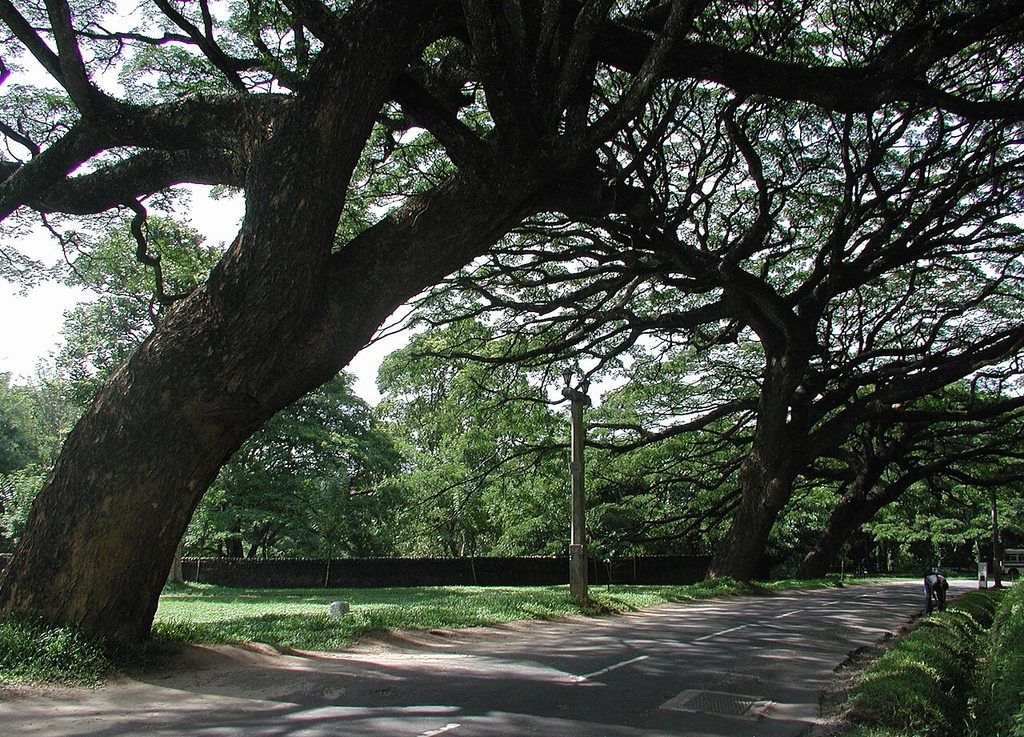
This was the day of the University of Ceylon, Peradeniya’s formal foundation, 6th October 1952. Early on, vice-chancellor Jennings wanted to bring about changes in the organisation of the universities in the model of those in Britain, but was opposed by students.
On 12 February 1948 a special convocation of the University of Ceylon was convened at the temporary Convocation Hall, Peradeniya.On this occasion, his Royal Highness Duke of Gloucester, Prince Henry laid the foundation stone of the convocation hall at Peradeniya.
While welcoming the Royal Highness, the Minister of Transport and Works, John Kotelawala said that the concept of many educated Ceylonians of establishing a University in suitable environs is coming to a fruition. It will be an inspiration for generations to come.
The Duke of Gloucester, HRH, was the first in the list of distinguished graduates of the University and received the honorary degree of the University of Ceylon as the first along with Prime Minister D.S. Senanayake and Andreas Nell who had initiated the idea of establishing the University at Peradeniya.
We are all aware of the great influence which the environment plays in the education of young men and women. On this site, you can create a University which is distinctly different in character and which can be adapted to the genius of the Ceylonese people.
1952 to 1972
The Queen, Duke and Lord Soulbury touring the University
The buildings at Peradeniya were established in 1952 but the formal ceremony marking the establishment was that of 20 April 1954 attended by Queen Elizabeth II.
However, the Government of Ceylon wanted to delay the event until Queen Elizabeth II could attend. Her visit was delayed by the death of King George VI. His Royal Highness, Prince Philip, Duke of Edinburgh opened the university in 1954 on the occasion of his Royal visit to Ceylon, with Her Majesty Queen Elizabeth II, and His Excellency The Lord Soulbury, Governor General of Ceylon.
Governance and administration
The University of Peradeniya is run in accordance with the Universities Act No. 16 of 1978 and the Universities (Amendment) Act No. 7 of 1985. It is a state university and the study of undergraduate is free of charge. Hence it relies on the Government for a large part of its annual grant, which comes from the University Grants Commission (UGC).
Thus, it is administered quite heavily under the influence of the UGC. The administration is based upon that of the former University of Ceylon consisting of a dual structure of bodies: the council (formally known as the University Court which is the governing body) and the Academic Senate (academic affairs).
Faculties and institutions
The University has eight academic faculties of study. There are 72 departments in these faculties. There are also two postgraduate institutes and six affiliated centres at the university. It was the Faculty of Arts which was first established. The Departments of Law and Oriental Studies were originally separate, but have since been combined in the Faculty of Arts. Since then there have been eight more faculties added. The department of Faculty of Management was added in 2015.
Institutions that are established in the university include the Postgraduate Institute of Agriculture (PGIA), Postgraduate Institute of Humanity and Social Sciences (PGIHS) Archived 20 June 2023 at the Wayback Machine and Postgraduate Institute of Medical Science (PGIMS), and Postgraduate Institute of Science (PGIS). PGIS is a national institute set up by the Ministry of Higher education, Sri Lanka in 1996.
PGIA was founded in 1975 and has three postgraduate degrees. PGIA provides post-graduate courses in Agricultural disciplines. The following institutions are also affiliated with the Department of Archaeology, Faculty of Arts and are also functioning as teaching and research museums, Senerath Paranavitana Teaching and Research Museum. It was formed in 1960.
Student life
There are more than 100 clubs & associations operated by students at the University of Peradeniya. These are represented by cultural and religious organizations, academic clubs and common interest clubs. Peradeniya Students’ Union (PSU) is regarded as the highest body representing all the internal students and each faculty has a separate student union. These student clubs are:
Agriculture Students Union (AgSU)
The English Literary Association of the Agriculture Faculty (AFELA)
The Agricultural Management Science Society (AGMAG)
Agriculture Faculty Forestry Society
The Agriculture Faculty Journalism and Media Society (AFJM)
Arts Circle is a faculty of Agriculture.
International Students’ Forum (ISF), University of Peradeniya
Inventors Club – Faculty of Agriculture
Nature Society
Horticulture Society
Society of Food Science and Technology
Biology Guild
Arts Students Union (ASU)
Science Students Union (SSU)
Engineering Students Union (ESU)
Dental Faculty Students Union (DFSU)
Students’ Union of Medical Faculty (SUMF)
Societies in the Faculty of Engineering
Engineering Students’ Publication Society (ESPS)
Association of Computer Engineering Students (ACES)
Civil Engineers Society (CES)
Chemical Engineering Students Society (ChESS)
The Electrical and Electronic Engineers Society (EEES)
Engineering Faculty Art Circle
Buddhist Brotherhood of the Engineering Faculty.
The Mechanical Engineers Society (MES)
Production Engineering Students Society (PESS)
The Power and Highvoltage Engineers Society (PHES)
Societies in the Faculty of Science
Art Circle
Buddhist Brotherhood Faculty of Science
Botanical Society
Chemical Society
The Computer Society University of Peradeniya (CSUP)
Hantana Conservation Society
Hindu Society
Mathematics Society
Photographic Society
Physical Society
Science Library Club
Tamil Sangeetha Natya Sangam
Tamil Society
University Explorers Club
University Geological Society
Zoologists’ Association
Cultural Societies
Ceylon University Dramatic Society (DramSoc)
English Literary Association (ELA)
Film Society (FilmSoc)
Gandarwa Sabhawa
Sinhala Natya Mandalaya
Sinhala Sangamaya
Sangeetha Natya Sangam Tamil.
Tamil Society
Religious Societies
Buddhist Brotherhood
Hindu Students’ Union
Newman Society (for Roman Catholics)
Student Christian Movement
University Buddhist Society
University Muslim Majlis
Other Societies
AIESEC in University of Peradeniya
Arunachalum-Hall Alumni Association
MIDI Group
Perabeats – Unexpected surprises. Archived from the original on 7 June 2019. Retrieved 22 March 2025.
Rotaract Club
Sports Council
Student Meditation Society
University Explorers’ Club
University Gavel Club
University Radio Voice of hanthana
The University of Peradeniya (Faculty of Medicine) – Complete Guide 2026
The University of Peradeniya is one of Sri Lanka’s most respected public universities and an important destination for students seeking high-quality higher education. Located in the historic city of Peradeniya near Kandy, the university has developed a strong academic reputation across medicine, science, humanities, engineering, agriculture, and other disciplines.
For students interested in medical education, the Faculty of Medicine, University of Peradeniya provides an academically demanding environment that combines foundational medical sciences, clinical education, practical experience, research, and professional development. Its medical programme is designed to prepare students for the responsibilities of becoming competent healthcare professionals.
In 2026, The University of Peradeniya remains an important search destination for students looking for information about University of Peradeniya Faculty of Medicine, MBBS, medical admissions in Sri Lanka, medical education, medical courses, clinical training, university facilities, and career opportunities.
The University of Peradeniya: An Overview
The University of Peradeniya is a major state university in Sri Lanka with a long-standing academic tradition. Its campus is situated in a scenic setting surrounded by hills and greenery, creating a distinctive environment for university life.
The institution brings together multiple faculties and academic departments, allowing students to benefit from a broad intellectual community. Its medical faculty has an especially important role because medical education requires integration between classroom learning, laboratory work, hospital-based teaching, research, and direct exposure to healthcare environments.
The university’s public-sector status also makes it an important institution within Sri Lanka’s higher education system. Students who gain admission compete through a structured national university admission process and undertake a rigorous programme requiring sustained academic commitment.
Faculty of Medicine at The University of Peradeniya
The Faculty of Medicine at The University of Peradeniya is dedicated to medical education, healthcare research, and professional development. The faculty’s academic structure supports students as they progress from basic medical sciences toward clinical medicine and patient care.
Medical education is not limited to memorising information. Students are expected to develop an understanding of human anatomy, physiology, pathology, pharmacology, microbiology, community medicine, clinical sciences, and other areas essential to professional medical practice.
Through progressively advanced learning, students develop the knowledge and practical skills required for clinical decision-making. The combination of academic instruction and clinical exposure is a fundamental part of the medical education experience.
MBBS and Medical Education at The University of Peradeniya
One of the most important keywords associated with The University of Peradeniya is MBBS. The medical programme prepares students for professional medical practice through a structured curriculum that combines theoretical knowledge with practical and clinical learning.
During their education, students encounter a wide range of subjects and learning experiences. Early medical education generally focuses on understanding the structure and function of the human body and the scientific principles underlying disease. As students progress, their studies increasingly emphasize diagnosis, treatment, patient management, public health, and clinical practice.
The demanding nature of an MBBS programme in Sri Lanka means that students must demonstrate consistency, discipline, analytical ability, communication skills, and a strong commitment to learning.
Medical Curriculum and Clinical Training
A strong medical curriculum must connect scientific knowledge with real-world healthcare practice. The University of Peradeniya provides medical students with opportunities to develop this connection through academic and clinical education.
The learning experience can include:
Anatomy and human structure
Physiology and body functions
Biochemistry
Pathology
Pharmacology
Microbiology
Community medicine
Internal medicine
Surgery
Paediatrics
Obstetrics and gynaecology
Psychiatry
Other clinical and medical disciplines
Clinical education is particularly significant because students need to understand how medical knowledge is applied when assessing and caring for patients. Hospital-based learning allows students to observe healthcare professionals, participate in supervised activities, develop communication abilities, and understand the realities of clinical practice.
Why Choose The University of Peradeniya for Medical Studies?
There are several reasons why The University of Peradeniya attracts students interested in medical education.
- Strong Academic Environment
The university provides an academically challenging environment in which students are encouraged to develop critical thinking and independent learning skills.
- Medical and Clinical Education
The Faculty of Medicine integrates academic medical sciences with clinical education, helping students progress from theoretical concepts toward professional healthcare practice.
- Research Opportunities
Medical research is an important component of modern healthcare. Students and academics can engage with research areas related to diseases, public health, clinical practice, medical sciences, and healthcare delivery.
- Public University Education
As a major public university in Sri Lanka, The University of Peradeniya plays a significant role in the country’s higher education system.
- Diverse University Community
Students studying medicine become part of a wider university community containing students and academics from numerous disciplines. This can contribute to a broader educational experience.
Admission to The University of Peradeniya Faculty of Medicine
Admission to the Faculty of Medicine, University of Peradeniya is highly competitive. Prospective students should carefully review the current official admission requirements and the applicable Sri Lankan university admission procedures before making decisions.
For Sri Lankan students, university admission is closely connected with national examination results and the relevant admission framework. Eligibility, selection criteria, subject requirements, and available places can vary according to the current academic year.
Students should therefore verify the latest information before applying rather than relying on outdated admission guides.
Entry Requirements for Medical Students
Medical programmes generally require a strong background in science subjects. Students interested in studying medicine should pay particular attention to the subjects and qualifications specified by the relevant admission authorities.
Important considerations can include:
Academic qualifications
Required science subjects
Examination performance
Admission criteria
District or national selection requirements, where applicable
Available places
Official application procedures
Because admission policies can change, students should consult the current official information published by The University of Peradeniya and the relevant Sri Lankan higher education authorities.
Student Life at The University of Peradeniya
University life extends beyond lectures and examinations. The University of Peradeniya has a large campus environment where students can participate in academic, cultural, sporting, and social activities.
For medical students, maintaining a healthy balance between demanding studies and personal development can be valuable. University activities can help students develop communication, teamwork, leadership, and organizational skills that are useful in professional healthcare environments.
The university’s location near Kandy also gives students access to an area known for its cultural and historical significance.
Research and Innovation in Medical Education
Modern medicine depends heavily on research. Medical students and academics need to remain aware of new discoveries, changing disease patterns, technological developments, and improvements in healthcare delivery.
The Faculty of Medicine at The University of Peradeniya contributes to this broader academic environment through medical and health-related research. Research-based education encourages students to evaluate evidence, understand scientific methodology, and approach clinical questions systematically.
Such skills are increasingly important because healthcare professionals must make decisions using reliable scientific evidence rather than assumptions.
Career Opportunities After Medical Education
Completing medical education at The University of Peradeniya can provide a foundation for a professional career in healthcare. Graduates may pursue medical practice and subsequently develop interests in different clinical or academic fields.
Potential career directions can include:
Clinical medicine
Surgery
Paediatrics
Internal medicine
Obstetrics and gynaecology
Psychiatry
Community medicine
Academic medicine
Medical research
Public health
Healthcare administration
Further postgraduate education can also allow qualified medical professionals to specialize in particular areas of medicine.
The University of Peradeniya and Sri Lankan Healthcare
Medical schools have an important responsibility within the national healthcare system. They educate future doctors, contribute to research, and support the development of healthcare knowledge.
The University of Peradeniya contributes to Sri Lanka’s medical education landscape by preparing students for professional responsibilities and encouraging academic and scientific development.
Medical education also helps students understand healthcare from both individual and community perspectives. This is particularly important for addressing public health challenges, disease prevention, health promotion, and equitable access to healthcare.
Facilities and Learning Environment
A medical student’s education requires access to appropriate learning resources. These can include lecture facilities, laboratories, libraries, clinical learning environments, academic departments, and healthcare institutions associated with teaching.
The broader university environment also provides resources that support independent study and academic development.
For prospective students researching University of Peradeniya medical facilities, it is advisable to check the latest university information because facilities, programmes, services, and academic arrangements may change over time.
Researching University of Peradeniya Admissions 2026
Students searching for University of Peradeniya admissions 2026, University of Peradeniya Faculty of Medicine admission, or MBBS admission in Sri Lanka should prioritize current official sources.
Admission information can change from one academic year to another. Application deadlines, selection procedures, eligibility rules, academic requirements, and programme details should therefore be confirmed using current university and government sources.
Preparing early can help students organize academic documents, understand eligibility requirements, monitor application announcements, and make informed decisions about their university choices.
Frequently Asked Questions About The University of Peradeniya
What is The University of Peradeniya known for?
The University of Peradeniya is known as a major public university in Sri Lanka with a broad academic portfolio and a strong reputation in higher education, including medical education.
Does The University of Peradeniya have a Faculty of Medicine?
Yes. The university has a Faculty of Medicine that provides medical education and supports clinical and health-related academic activities.
What medical degree is associated with the Faculty of Medicine?
The principal undergraduate medical programme is the MBBS, subject to the current programme and university regulations.
Is admission to the Faculty of Medicine competitive?
Yes. Medical education is highly competitive, and admission depends on the applicable national and university selection requirements.
Where is The University of Peradeniya located?
The university is located in Peradeniya, near Kandy, Sri Lanka.
What should students check before applying?
Students should verify current admission requirements, eligibility criteria, application procedures, deadlines, programme information, and other official requirements before applying.
Conclusion
The University of Peradeniya continues to represent an important opportunity for students seeking a rigorous university education in Sri Lanka. Its Faculty of Medicine provides a structured environment in which aspiring doctors can develop scientific knowledge, clinical understanding, research awareness, communication skills, and professional responsibility.
For students researching University of Peradeniya Faculty of Medicine, MBBS Sri Lanka, medical admissions 2026, medical education in Sri Lanka, clinical training, and medical career opportunities, the university deserves careful consideration.
The combination of academic study, clinical learning, research, and university life makes The University of Peradeniya a significant institution within Sri Lanka’s higher education and medical education landscape. Prospective students should always confirm the latest programme and admission information through official sources before making application decisions.